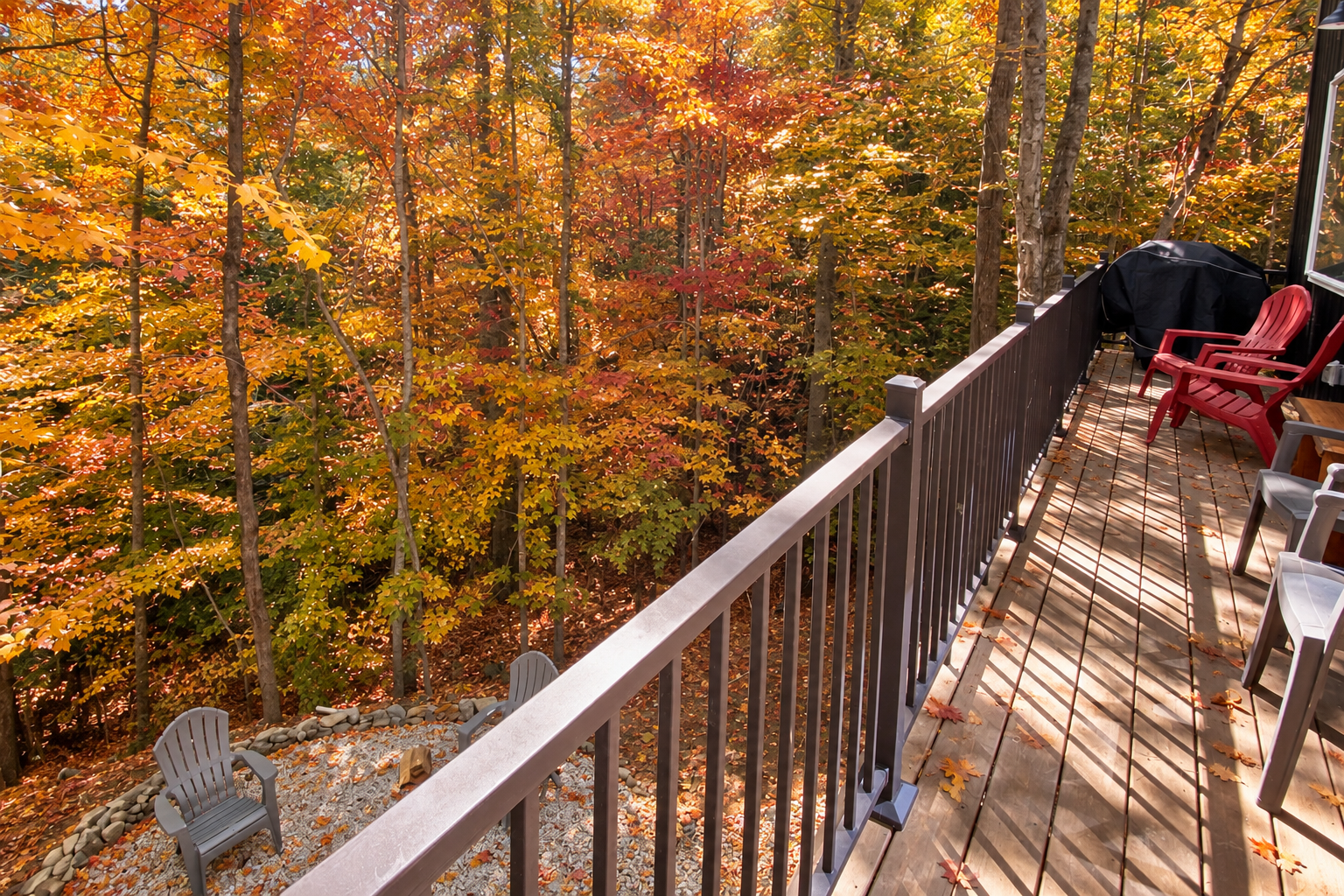
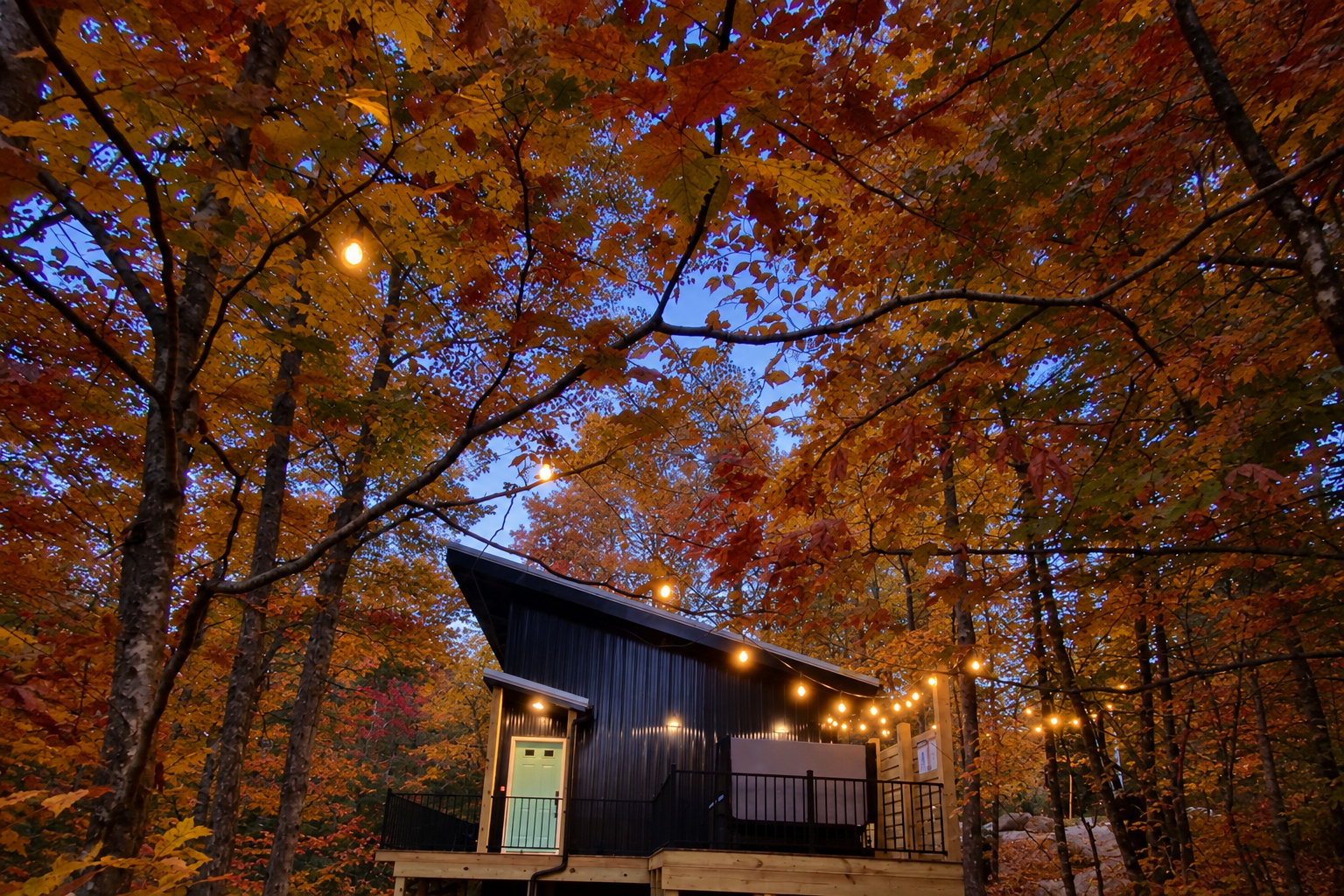
What to Pack for a Red River Gorge Cabin Trip

What to Pack for a Red River Gorge Cabin Trip

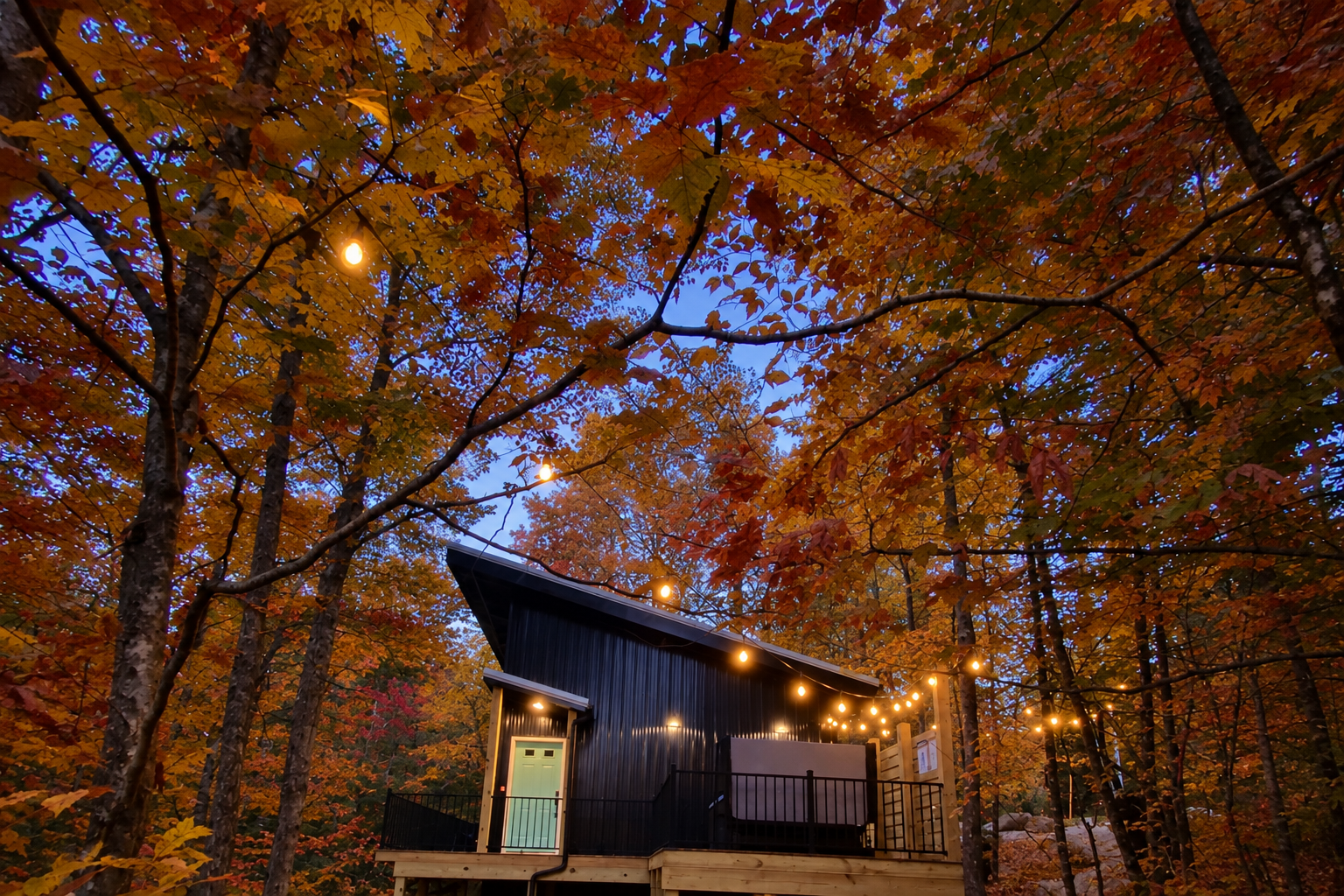
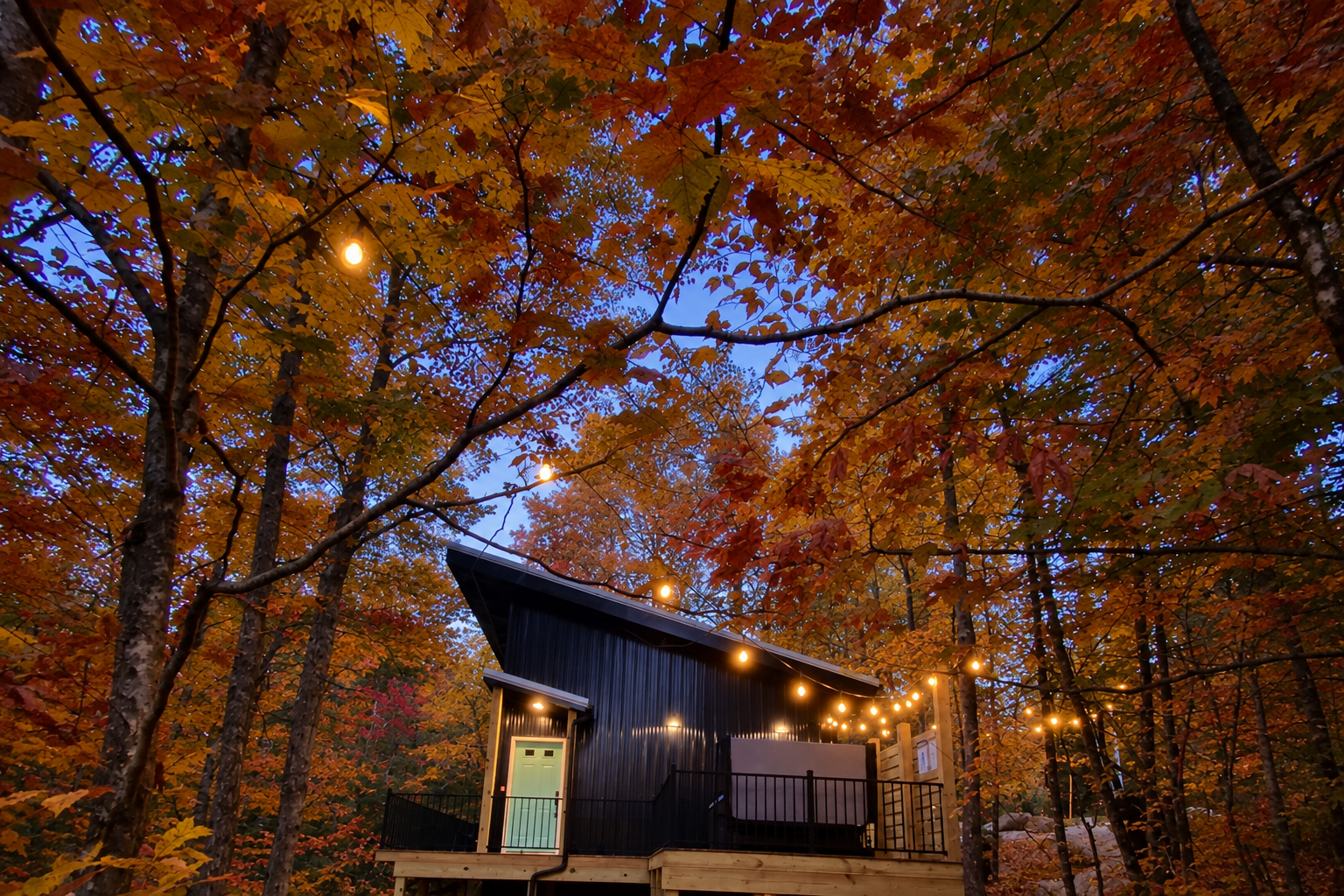
Red River Gorge rewards the prepared traveler. Pack right and you are free to chase a waterfall, linger in a hot tub until midnight, and wake up early enough to catch the fog sitting in the canyon. Pack wrong and you spend your first morning driving back to Lexington for hiking shoes. This list exists so that does not happen to you.

Whether you are staying in a treetop cabin perched above the forest canopy or setting up a base camp to hit as many trails as possible, the Gorge has a specific set of needs. We have distilled them here, organized so you can pack in order and check off as you go. Save this page before you leave the cell service zone.

What to Pack for Red River Gorge: The Complete Cabin Packing List

Footwear (This One Matters More Than Anything Else)

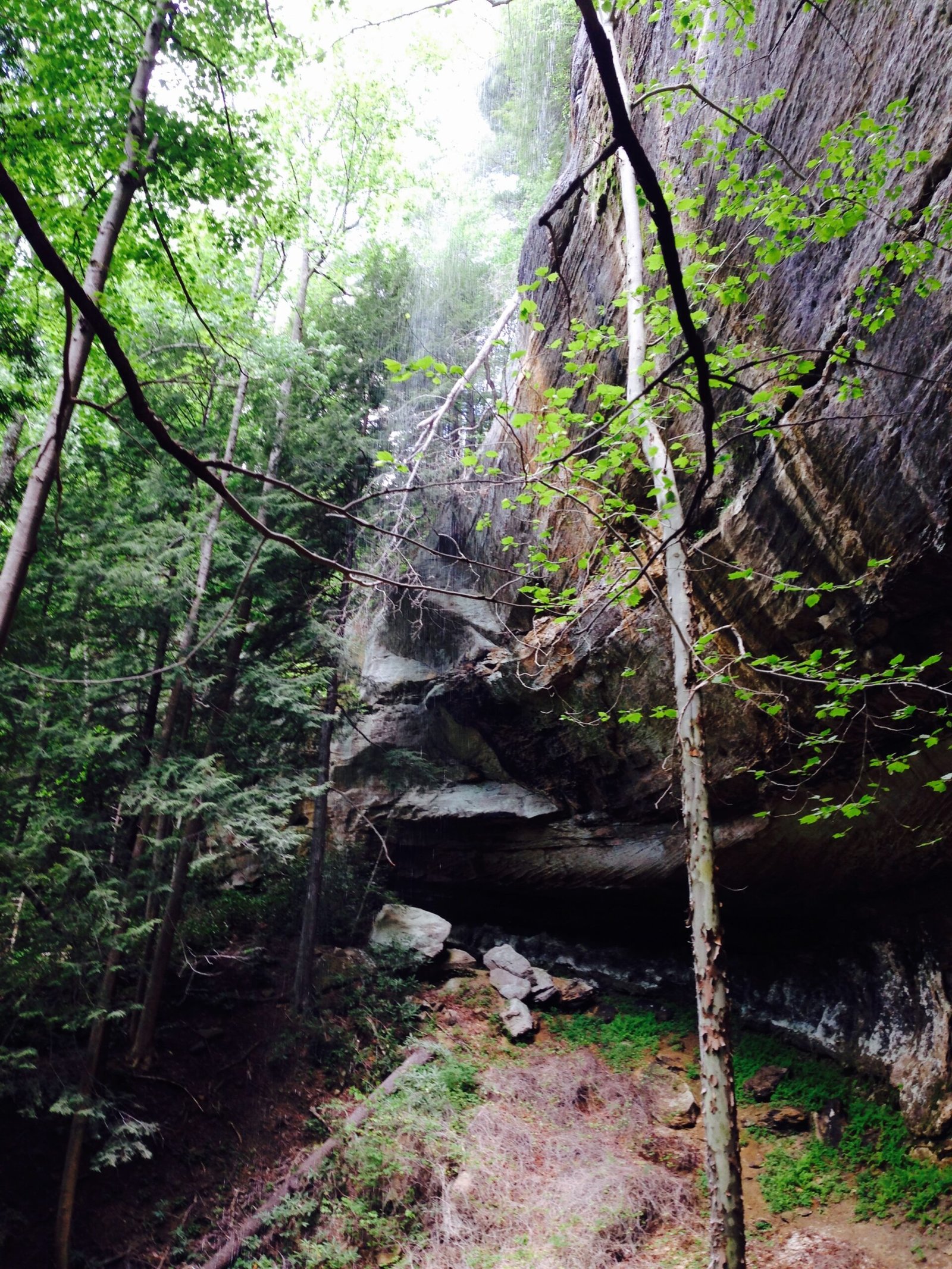
The trails in the Daniel Boone National Forest are sandstone, root-covered, creek-crossed, and genuinely technical in places. A trail runner or low hiking boot with real grip is not optional. Flip flops belong on the deck, not on the path to Gray’s Arch.

  • Hiking boots or grippy trail runners (broken in, not new out of the box)
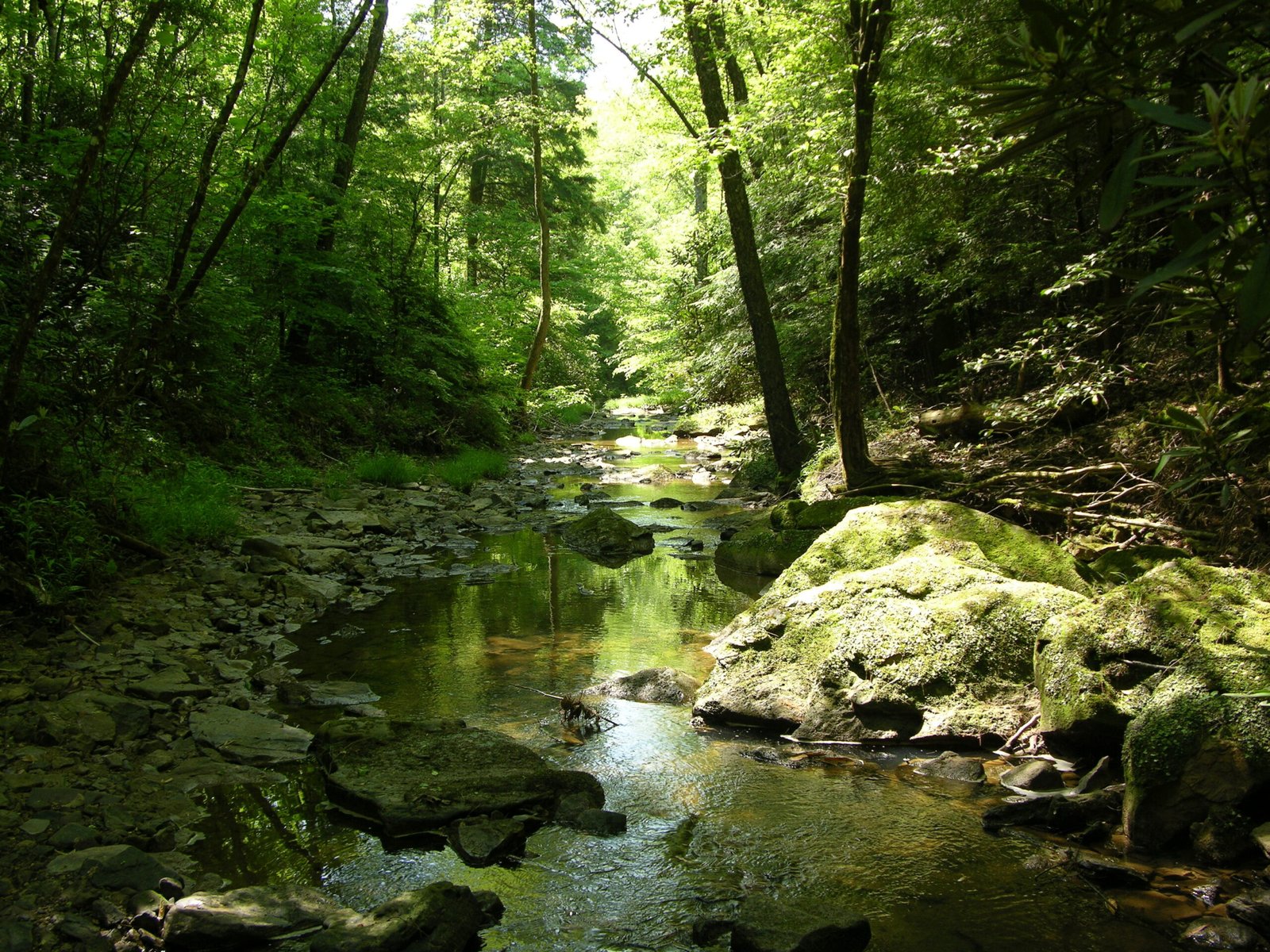
  • Water shoes or old sneakers for creek crossings and river access
  • Sandals or slide-ons for around the cabin
  • Wool or moisture-wicking socks, at least two pairs per hiking day

If you plan to walk behind a waterfall like Copperas Creek Falls or scramble through any creek-side route, assume your feet are getting wet. Pack accordingly.

Clothing: Layer Like You Mean It

The Gorge sits in the hills of eastern Kentucky, and the temperature swings between trailhead and ridgeline, between midday sun and after-dark hot tub, can be significant. Even in summer, nights drop fast once the sun leaves the canopy. In late fall and winter, a 20-degree swing between afternoon and midnight is not unusual.

  • Moisture-wicking base layers (one per hiking day)
  • A mid-layer fleece or lightweight down jacket
  • A wind and rain shell (the Gorge does not wait for a weather window to change its mind)
  • A warm hat and gloves if you are visiting October through March
  • Comfortable, non-cotton layers for evenings at the fire pit
  • At least one outfit you are happy to get muddy
  • Swimsuit (the hot tub is private, it is heated, and you will regret not having one)

Cotton is the enemy on trail. It holds moisture and makes cold nights miserable. Leave the cotton hoodie for the fire pit and pack synthetic or wool for anything involving a hike.

Day Pack and Trail Essentials

Even short hikes in the Gorge earn respect. A trail labeled moderate can include real elevation, exposed ridgelines, and sandstone scrambles that slow you down. The Ten Essentials apply here just as they would in any serious backcountry.

  • A daypack in the 15 to 25 liter range (enough for water, snacks, and layers)
  • Water: at least 2 liters per person for a full hiking day, more in summer
  • Water filter or purification tablets (if you plan longer routes near streams)
  • High-calorie snacks (trail mix, bars, real food)
  • Paper map or downloaded offline map of the trail system (AllTrails offline mode is your friend; cell signal is not reliable)
  • Headlamp and spare batteries
  • Basic first aid kit with blister pads, ibuprofen, and an ACE bandage
  • Trekking poles (optional but appreciated on routes like Auxier Ridge or Indian Staircase)
  • Sunscreen and insect repellent, spring through fall

A note on Indian Staircase: it involves real, exposed sandstone scrambling that can be genuinely dangerous for unprepared hikers. If it is on your list, pack accordingly and do not go alone unless you have scrambling experience. For families or first-timers, Rock Bridge Loop or Whittleton Arch are excellent and reward with far less consequence.

Hot Tub and Night Sky Kit

One of the quieter pleasures of staying in a treetop cabin at the Gorge is the private hot tub with nothing overhead but tree canopy and, on clear nights, an embarrassing number of stars. Optimize for it.

  • Swimsuit (mentioned in clothing, worth mentioning twice)
  • A lightweight robe or oversized towel for the walk from deck to door on cold nights
  • A good thermos or insulated mug (coffee at sunrise on the deck is not negotiable)
  • A red-light headlamp if you are serious about stargazing (preserves night vision)
  • A star map app downloaded offline
  • A Bluetooth speaker, low-volume, for the fire pit playlist

Tech and Connectivity

Cell service in the Gorge is inconsistent at best. That is partly the point. But it means preparation matters more than usual.

  • Portable power bank, fully charged before you leave home
  • Camera or phone charged the night before every hike (the light in the Gorge earns it)
  • Offline maps downloaded before you lose signal (AllTrails, Google Maps, Gaia GPS)
  • Kindle or a real book for the cabin evenings
  • Your hiking playlist saved for offline play

If you need to work remotely for part of the trip, check with your cabin host about the wifi situation before you book. Working from a deck overlooking the forest canopy is a genuinely productive experience, but only if the signal cooperates.

Food, Drinks, and Cabin Supplies

The Gorge has a solid lineup of restaurants. Thatcher Barbecue Company in Slade, Sky Bridge Station with its Kentucky microbrews, Red River Rockhouse, La Cabana for a solid taco situation, and 145 Roadhouse in Campton for a weekend-worthy dinner. You will not go hungry. But the drive from the trailhead to anywhere with groceries takes time, and after a full day on the trail, the last thing you want is a 20-minute drive before you can eat.

  • Enough breakfast supplies for every morning you plan to eat at the cabin (eggs, oats, coffee, real creamer)
  • Packed lunches for trail days so you are not driving back midday
  • Snacks for the cabin: cheese, crackers, fruit, things that do not require cooking
  • Your preferred coffee setup (a French press and good beans elevate a foggy morning significantly)
  • A bottle of wine or a six-pack of something local for the fire pit
  • A cooler if you are packing for multiple days of trail lunches
  • Reusable water bottles, one per person plus one for the car
  • A small cutting board and your favorite knife (cabin kitchens have the basics, but your gear is always sharper)

If your cabin host is worth their salt, you will find the place stocked with a few welcome surprises when you arrive. The best hosts know what a tired hiker actually needs. Skip and Liz at Vacation Alchemist have a habit of thinking about that before you even ask, which is one of the reasons booking direct through vacationalchemist.com means you get a different experience than a faceless platform booking. More on that at the end.

Climbing-Specific Gear (If You Are Here for the Rock)

Red River Gorge is one of the premier sport climbing destinations in the country. If climbing is on the agenda, you likely already know what you need. A few Gorge-specific notes:

  • Muir Valley is free to climb but charges a $15 per vehicle daily parking fee; the fee funds the nonprofit Friends of Muir Valley, which maintains the preserve. A membership or volunteer day can earn you an annual pass.
  • The rock is sandstone, which can be polished on popular routes. Plan for grades that feel harder than they are on limestone.
  • A guidebook to the Gorge is worth having in paper form. Cell signal is unreliable at the crags.
  • Tick brushes, your own anchors, and a willingness to leave nothing behind. The Gorge climbing community keeps this place clean and open. Do your part.

What You Can Leave at Home

A few things people routinely overpack for a Gorge cabin trip:

  • Heavy camp cooking gear (the cabin has a full kitchen)
  • A tent (you have a treehouse)
  • Your entire skincare routine (bring the basics; the forest will simplify you)
  • Work stress (the signal drops before you hit the trailhead)

When to Go and What Changes by Season

The Gorge shifts dramatically with the seasons, and your packing list should shift with it.

Spring brings wildflowers, full creeks, and muddy trails that require real grip. Fall brings the foliage, cooler air, and the best light the Gorge offers all year. Summer is hot on the exposed ridgelines and crowded on weekends, but the swimming holes and evening hot tub are unbeatable. Winter is the secret season: quiet trails, potential snow views from the deck, and a hot tub that hits different when the air is 28 degrees.

Whatever the season, the layering principle holds. Mornings in the Gorge are cooler than the forecast suggests. Nights are always cooler than you expect. Pack one more warm layer than you think you need.

The Case for Booking Your Cabin Direct

When you reserve a cabin through Airbnb or VRBO, the platform adds its own service fees on top of the nightly rate and puts a layer of automation between you and the people who actually know the place. When you book through vacationalchemist.com, you skip those fees and book with the hosts directly. That means the people who know which trail is muddy this week, which barbecue spot opened a new patio, and what to stock the cabin with for your specific trip are the same people you are talking to before you even arrive. That is not a small thing. Start your Vacation Alchemist booking here and see what the difference feels like.

Frequently Asked Questions

Is there cell service at Red River Gorge cabins?

Cell service in the Red River Gorge area is limited and inconsistent, especially on the trails and in the canyon. Most cabins have wifi, but you should download offline maps and any media before you arrive. Think of it as a feature, not a bug.

Do I need to bring towels to a Red River Gorge cabin?

Most vacation rental cabins in the Gorge provide standard bath towels, but it is worth confirming with your specific host. If you plan to use the hot tub regularly, bringing an extra towel or a lightweight robe for the walk back inside on cold nights is a smart move regardless.

What shoes should I wear hiking in Red River Gorge?

Trail runners or low to mid hiking boots with solid grip and a grippy outsole are the right call for most Gorge trails. The terrain is sandstone, rooty, and often wet near creek crossings. Avoid new, unbroken shoes and avoid anything without real traction. For scramble routes like Indian Staircase, a stiffer sole and ankle support matter more.

Should I bring food or eat out in Red River Gorge?

Both. The Gorge has a solid restaurant scene including Thatcher Barbecue Company, Sky Bridge Station, La Cabana, Red River Rockhouse, and 145 Roadhouse in Campton, among others. That said, packing your own trail lunches and cabin breakfasts saves time and keeps you flexible. Many spots have seasonal hours, so check before you plan your whole itinerary around a dinner reservation.

Is Red River Gorge good in November and December?

Yes. Late fall and early winter are genuinely good times to visit the Gorge. The crowds thin, the trails are quiet, and a private hot tub with a fire pit in cold air is one of the more civilized ways to spend a winter evening. Bring real layers, a good hat, and low expectations for warm afternoon light. The payoff is a different kind of beauty than summer, and it is entirely worth it.
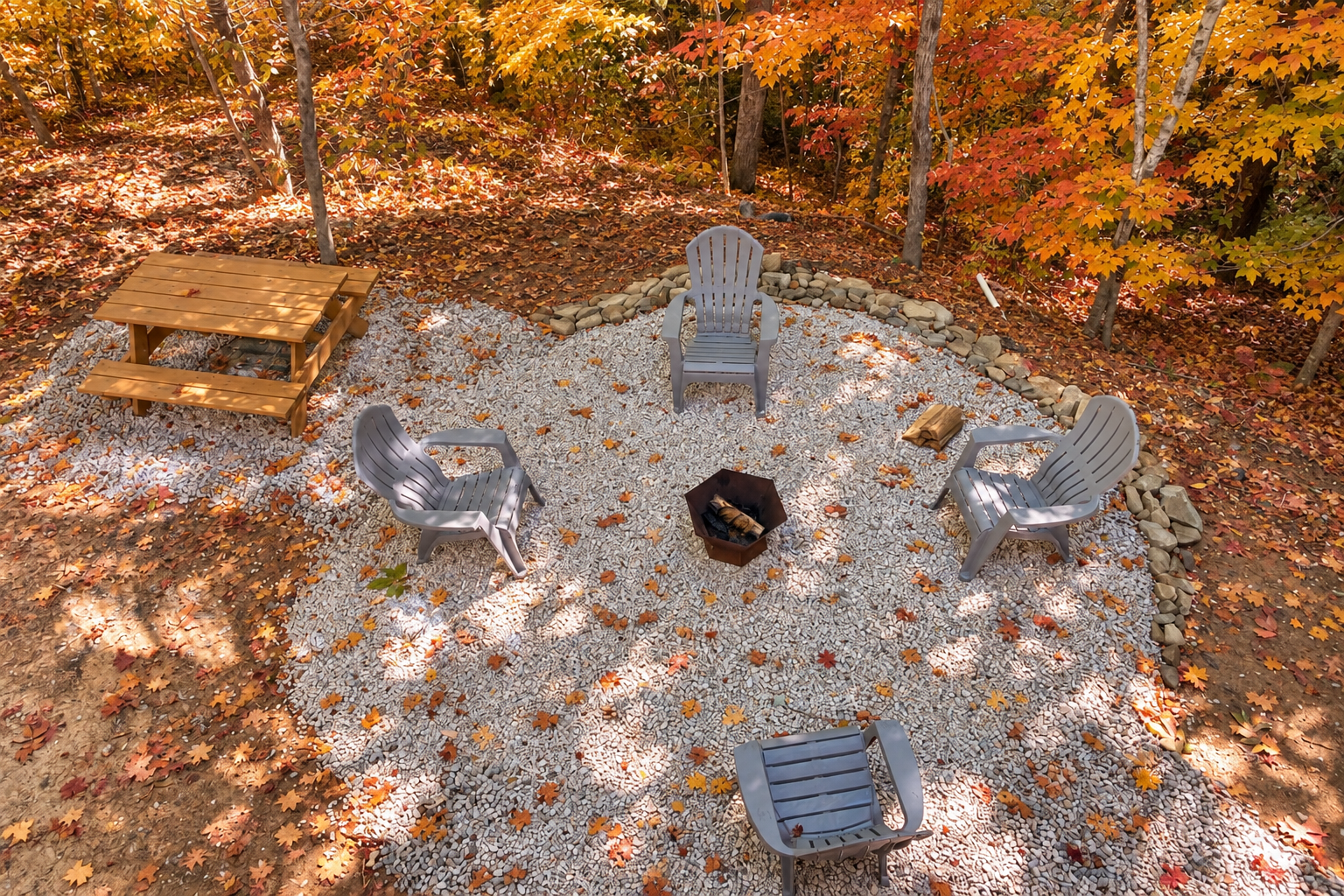
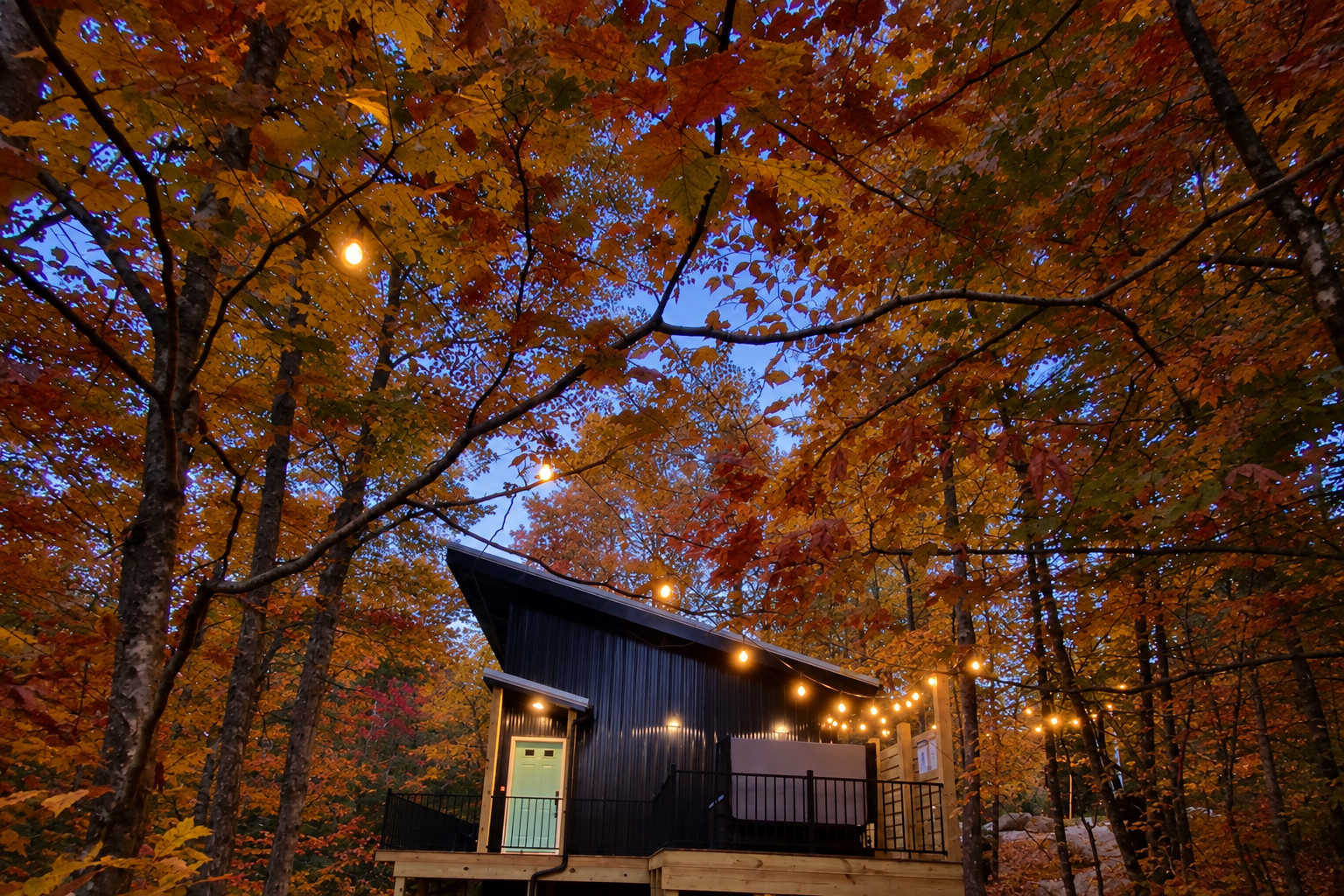
Best Proposal Spots in Red River Gorge

Red River Gorge does not need decoration. The 300-million-year-old sandstone arches, the fog sitting in the valleys at dawn, the way the forest goes completely quiet except for a woodpecker working a dead oak somewhere up the ridge. If you are planning to ask the most important question of your life, this corner of eastern Kentucky already has the backdrop. You just have to show up.

This guide covers the most romantic proposal spots in Red River Gorge, from easy walks to full-day adventures, along with a few elopement ideas for couples who would rather skip the planning and just go. All of it is in the Daniel Boone National Forest and the surrounding area, roughly 1 to 1.25 hours southeast of Lexington.

Why Red River Gorge Is One of the Best Places to Propose in Kentucky

Red River Gorge has the highest concentration of natural arches east of the Rocky Mountains. That is not marketing language. It is geology, and it means you can propose underneath a sandstone arch with a 65-foot span, or on a ridgeline with open sky in every direction, or beside a waterfall that sounds like it was composed specifically for this moment. The Gorge is dramatic without being performative, and that is exactly the energy a proposal deserves.

It is also genuinely private. Even on a busy fall weekend, the Gorge has enough trails that two people can find a quiet arch all to themselves. No crowd. No strangers in the background. Just the two of you and about 29,000 acres of forest.

Best Proposal Spots in Red River Gorge, Easiest to Most Adventurous

Natural Bridge: The Iconic Choice

Natural Bridge is the most famous arch in the Gorge: a sandstone span roughly 78 feet wide and 65 feet high, with an open view of forested ridges in every direction. Getting there is a short, steady climb on the Original Trail, manageable for almost anyone. If you or your partner prefers not to hike, a seasonal Sky Lift (running roughly April through November) rides to the top in about 11 minutes.

The arch itself is wide and open. Stand at the edge at golden hour, with the sun going down over the canopy, and the light turns everything amber. That is your window. It is busy on fall weekends, so arrive early or aim for a weekday morning if you want it to yourselves.

Gray’s Arch: The One That Feels Like a Discovery

Gray’s Arch sits at the end of a 3.4-mile out-and-back trail that starts flat and forested before rising steeply near the arch. The payoff is one of the largest, most dramatic arches in the Gorge, tucked inside a natural alcove with a stream running below. It feels like something you found rather than something that was waiting for you, and that feeling is exactly right for a proposal.

The approach trail is moderate with real elevation gain near the end. Wear trail shoes. Bring water. And budget an extra 20 minutes to sit quietly at the arch before you do anything, because the place earns that stillness.

Auxier Ridge: The Best Views in the Gorge

If the arch is not what your partner pictures but a wide-open ridgeline with the river valley below and no ceiling above is, Auxier Ridge is your answer. The full Auxier Ridge loop, combined with Courthouse Rock and Double Arch, runs roughly 5.9 to 6.5 miles with exposed ridgeline sections that offer some of the most sweeping panoramic views in all of eastern Kentucky.

Propose on the ridge with the Red River winding through the gorge below you. On a clear morning in October or November, the foliage stretches as far as you can see in every direction. This is not a subtle proposal location. It is a statement.

Note: exposed ridgeline means exposed weather. Check conditions before you go, and both of you should be comfortable with heights and uneven terrain.

Rock Bridge and Creation Falls: For the Couple Who Loves Water

The Rock Bridge Loop is about 1.5 miles from the Rock Bridge Scenic Picnic Area and passes two remarkable features: Creation Falls, a layered waterfall pouring over mossy sandstone, and Rock Bridge itself, the only arch in the Gorge with a stream running directly beneath it. Standing on the arch over moving water, with ferns on every surface and the sound of the falls behind you, is as close to a fairy tale as eastern Kentucky gets.

This is an easy trail and one of the most underrated in the Gorge. The light inside the Rock Bridge hollow is soft and filtered even at midday. If you bring a photographer, tell them to come here.

Whittleton Arch: The Quiet One Nobody Talks About

Whittleton Arch is 2.6 miles round trip, mostly gentle creek-side walking through quiet forest. It sees far less traffic than Natural Bridge or Gray’s Arch, which means you have a real chance of arriving to find it completely empty. The arch itself is elegant rather than monumental, framing a view back through the trees that photographs beautifully.

This is the spot for the couple that finds beauty in understatement. No crowds, no spectacle, just a sandstone arch in a quiet hollow and the two of you.

Elopement Ideas in Red River Gorge

Red River Gorge is increasingly popular for micro-weddings and elopements, and it is easy to understand why. The Daniel Boone National Forest provides a natural setting that requires almost no additional decoration, and the intimacy of the place matches the intimacy of the moment.

A few directions worth exploring for couples who want to elope here rather than just propose:

Under an arch. Natural Bridge and Gray’s Arch are both on public National Forest land. Permits and regulations for ceremonies on federal land do apply, so check with the Daniel Boone National Forest office for current requirements before planning. A micro-ceremony at sunrise, before the day hikers arrive, is very doable.

At Elderwild. The Elderwild venue is about two minutes from our cabins in Rogers, and it hosts weddings and special events. If you want a proper outdoor ceremony in the Gorge without coordinating a backcountry permit, this is the most elegant option in the area.

On private land. Some local photographers and elopement planners in the Gorge have established relationships with private landowners for ceremony access. A local elopement photographer who knows the Gorge will know the best options and the current rules. Worth a conversation.

Tips for a Perfect Proposal in the Gorge

Timing matters more than most people realize. The Gorge in mid-October is as beautiful as anywhere on earth, with peak fall color in the canopy and golden light from roughly 4pm until dark. That said, October weekends are also the busiest of the year. If you want privacy, aim for a Tuesday or Wednesday in late October, or consider early November when the crowds thin and the light is still warm.

Hire a photographer who knows the trails. A proposal in the backcountry requires a photographer who can carry gear on rugged terrain, knows the light at each location, and can stay hidden until the moment. Local RRG photographers are worth finding; they know exactly where to stand at Auxier Ridge and what time the light hits Gray’s Arch.

Dress practically and bring layers. November in the Gorge can be 65 degrees at noon and 42 degrees at sunset. The best proposal light arrives in the last hour before dark, and you will want to still be on that ridge when it does.

Pack a little more than you think you need. Water, snacks, a dry layer, and something to sit on at the arch. The proposal is the moment, but the hour you spend sitting together afterward, looking out over the gorge with nobody else around, is the memory you will actually describe at every dinner party for the rest of your lives.

Where to Stay After the Proposal

This part matters more than couples usually plan for. The proposal is the peak of the day, but how the night unfolds shapes the whole memory. A treetop cabin with a private hot tub and a fire pit, perched above the forest canopy, finishes the story correctly.

Canopy 9 at Vacation Alchemist is a mid-century modern cabin in the trees, about 10 minutes from the main Gorge trailheads and two minutes from Elderwild. Private hot tub on the deck overlooking the forest, private fire pit, and the kind of interior that makes a couple feel like they planned everything perfectly, even if they did not. Canopy 7 is adventure-forward, perched high, with sunrise views that will make whoever is awake first feel like the whole trip was their idea.

Both cabins are booked directly through vacationalchemist.com, which skips the extra service fees that third-party platforms add and puts you directly in touch with Skip and Liz, who actually know the Gorge and will happily text you the best trail for golden-hour light the morning of the proposal. Booking direct is simply the smarter, friendlier way to do it.

When the fire is going and the hot tub is at temperature and the trees are dark around you and you are both still a little stunned by what just happened, that is the night that earns the story. Plan it right.

Frequently Asked Questions

What is the best time of year to propose in Red River Gorge?

Mid-October through early November offers the most dramatic scenery, with peak fall color and golden afternoon light. Spring wildflower season (late April through May) is a close second. Both seasons offer extraordinary beauty without the summer heat. If privacy matters as much as scenery, a weekday in late October or early November is ideal.

Do you need a permit to get married or elope at Natural Bridge or in the Daniel Boone National Forest?

Ceremonies on federal land in the Daniel Boone National Forest are subject to permit requirements and regulations that can change. Contact the Daniel Boone National Forest office directly for current requirements before planning any ceremony on public land. Requirements vary by location and group size.

How difficult are the trails to the best proposal spots?

The range is wide. The Natural Bridge Original Trail is short and steady, manageable for most fitness levels. Rock Bridge Loop and Whittleton Arch are both easy to moderate, with mostly gentle terrain. Gray’s Arch is moderate with real climbing near the arch. Auxier Ridge is a longer, more exposed hike with significant elevation change and is best for experienced hikers. Match the trail to your partner’s fitness level and comfort with heights.

Is Red River Gorge good for elopements?

Yes. The Gorge offers extraordinary natural backdrops, relative privacy on weekdays, and a growing community of local photographers who specialize in elopement and adventure sessions. The Elderwild venue near Rogers is a polished outdoor option for couples who want a formal ceremony setting without leaving the Gorge area.

Where should we stay for a proposal or elopement trip to Red River Gorge?

Treetop cabins with private hot tubs and fire pits are the most popular choice for romantic trips to the Gorge. Vacation Alchemist operates two luxury treetop cabins in Rogers, Kentucky, about 10 minutes from the main trailheads. Both Canopy 7 and Canopy 9 have private hot tubs, private fire pits, and private decks into the forest canopy. Book directly at vacationalchemist.com to skip third-party service fees and get genuine local guidance from the hosts.

Kayaking the Red River Gorge: Your Complete Guide

The Red River does not announce itself the way a mountain range does. It moves quietly through the Daniel Boone National Forest, bending around sandstone cliffs and hemlock groves, past arches you would only ever see from the water. Kayaking the Red River Gorge area is one of those experiences that earns a permanent spot in your memory without trying very hard.

This guide covers the best sections to paddle, what skill level you actually need, the best time of year to go, and everything else worth knowing before you put in. Whether you are brand new to paddling or looking for a mellow float to anchor a full weekend in the Gorge, the Red River delivers.

Is Kayaking Red River Gorge Right for You?

The Red River has two personalities depending on where and when you paddle it. The lower stretches of the river, running through Powell and Menifee counties, are calm and family-friendly for most of the year, well-suited to beginners, casual paddlers, and anyone who wants to float more than fight the current. Upper sections and the river during high water after heavy rain are a different story, with faster water and technical features that demand real experience.

For the vast majority of visitors planning a gorge weekend, the answer is yes. If you can sit in a kayak or canoe and handle a paddle, the Red River’s gentle stretches will feel like the most scenic slow-down you have ever taken.

Best Sections for Kayaking and Canoeing the Red River

Lower Red River: The Classic Float

The lower stretches of the Red River are the go-to for leisure paddlers. Expect calm water, long pools, forested banks, and the occasional sandstone bluff rising above the tree line. Wildlife is part of the deal here. Great blue herons stalk the shallows, kingfishers dart ahead of you, and if you are lucky and quiet, you might drift past a deer picking its way along the bank. The pace is slow enough to actually look around, which is the whole point.

This section is ideal for canoes loaded with a small cooler, families with kids who have some water experience, and anyone who wants the feeling of genuine wilderness without committing to whitewater.

Tubing and Casual Floating

If a kayak feels like more gear than the day calls for, tubing the calmer stretches of the Red River is a beloved summer ritual in this part of Kentucky. The current does most of the work. You bring the sunscreen and something cold to drink. Local outfitters near the Gorge can set you up with a tube and handle the shuttle logistics so you are not hiking back to your car.

High Water Season: A Different River

Spring snowmelt and heavy spring rains can push the Red River to levels that create Class II and Class III rapids in sections that are otherwise placid. This is exciting for paddlers who have whitewater experience and appropriate gear, but it is not the right introduction for beginners. Always check the gauge before you put in. The USGS maintains real-time water level data for the Red River, and local outfitters will give you an honest read on conditions before you commit.

When Is the Best Time to Kayak the Red River?

Spring through early fall gives you the widest window for comfortable paddling. Here is how the seasons break down.

  • Spring (March through May): Water levels are typically higher, which opens up more of the river. The forest is waking up, wildflowers line the banks, and the whole Gorge smells like it has just been scrubbed clean. Watch for cold water even when air temps are warm.
  • Summer (June through August): Prime tubing and casual floating season. Water levels drop in dry stretches, which can make some sections shallower but also slower and warmer. The best time for families with young kids.
  • Fall (September through November): This is the season that stops people mid-paddle to stare. The hardwood canopy above the river turns amber, red, and gold, and the reflections on the water are genuinely surreal. Fall weekends in the Gorge draw crowds, but the river itself stays relatively uncrowded compared to the trailheads. If you can paddle in October, do it.
  • Winter: Possible on mild days for experienced paddlers with cold-water gear, but not the casual float season. The river has its own quiet beauty in winter, stripped down and stark.

Gorge Underground: Kayaking Inside a Mountain

If you want a paddling experience unlike anything else in Kentucky, Gorge Underground offers guided kayak, paddleboard, and boat tours through a flooded abandoned limestone mine in Slade. The scale inside is disorienting in the best way, and the glass-bottom kayak and neon-lit options have made this a genuinely viral moment for good reason. It is not a river paddle, but it belongs on this list because it is one of the most distinctive things you can do on the water anywhere in the region. Reserve ahead, especially on fall weekends.

What to Bring on the Water

Even a lazy float deserves a little preparation. Here is what actually matters.

  • Water and food. You will be surprised how quickly a few hours on the water burns through your energy. Pack more than you think you need.
  • Sun protection. The river reflects UV, and tree cover is not always consistent. Sunscreen, a hat, and a long-sleeve layer for sensitive skin are worth it.
  • Dry bag for your phone. The water is calm until it is not. A waterproof case or a simple dry bag costs almost nothing and saves everything.
  • Water shoes or sandals with straps. Flip-flops launch into the river the moment you step out at a sandbar. Secure footwear matters.
  • A PFD (personal flotation device). If you are renting from a local outfitter, they will provide one. If you bring your own gear, wear it. Kentucky requires PFDs to be on board for every paddler; wearing it is just smarter.
  • Shuttle logistics. Unless you are doing an out-and-back, you need a plan for getting back to your put-in point. Local outfitters typically handle shuttles. Figure this out before you launch, not after.

Kayaking and the Rest of Your Gorge Weekend

A half-day on the Red River is a natural anchor for a longer trip. Pair it with a morning hike to Rock Bridge, where the only arch in the Gorge with a stream running beneath it frames a pretty short walk, or save the afternoon for Gorge Underground and experience two completely different kinds of water in one day. After the river, the idea of soaking in a private hot tub above the forest canopy stops being optional.

Vacation Alchemist’s two treetop cabins sit about ten minutes from the main Gorge trailheads and a short drive from the river access points. Both Canopy 7 and Canopy 9 have private hot tubs, private fire pits, and private decks looking out into the trees. After a full day on the water, it is exactly what a sore body and a tired-happy brain needs.

Booking directly through vacationalchemist.com skips the service fees that third-party platforms add on top of the nightly rate and puts you in direct contact with Skip and Liz, who actually know this area and will happily text you the best put-in spot or river conditions the morning of your float. It is a genuinely better way to book.

Frequently Asked Questions About Kayaking Red River Gorge

Do I need experience to kayak the Red River?

Not for the calmer lower stretches. Beginners and families handle the gentle sections of the Red River comfortably in normal water conditions. High water after heavy rain adds complexity, so check conditions before you go and talk to a local outfitter if you are unsure.

Where do I rent a kayak or canoe near Red River Gorge?

Several outfitters near the Gorge rent kayaks, canoes, and tubes and handle shuttle logistics. Because hours and availability shift seasonally, your best move is to check with the Powell County Tourism office at gopoco.org or ask your cabin hosts for the most current recommendations.

What is the water temperature like in the Red River?

Water temperature varies by season. Spring water can be surprisingly cold even when air temperatures feel warm, so dress for the water temperature, not the air temperature. Summer months warm the river considerably, making it ideal for casual floating and tubing.

Is Gorge Underground the same as river kayaking?

No. Gorge Underground is a guided kayak and boat tour inside a flooded abandoned limestone mine in Slade. It is a completely different experience from paddling the open river, but it is one of the most unique things you can do on the water in eastern Kentucky. Both experiences are worth your time on a Gorge trip.

Is tubing allowed on the Red River?

Yes, tubing is popular on the calmer stretches of the Red River, particularly in summer. Local outfitters near the Gorge can set you up with equipment and shuttle service. As with any float, check current water conditions and use appropriate safety gear.

Thanksgiving at Red River Gorge: Plan a Cozy Getaway

Thanksgiving at Red River Gorge: Plan a Cozy Getaway

Why Thanksgiving Week at Red River Gorge Hits Different

There is a version of Thanksgiving that involves a six-hour drive on a crowded interstate, a house packed past capacity, and a televised football game nobody actually wants to watch. And then there is this version: fog sitting low in the gorge on a cold November morning, coffee going warm in your hands on a private deck, and the kind of quiet that only happens when you are genuinely away.

Red River Gorge in late November is one of eastern Kentucky’s best-kept secrets. The peak fall color crowd has thinned. The trails breathe again. The sandstone arches and ridge overlooks belong almost entirely to whoever shows up, and the air has that particular November sharpness that makes everything feel more awake. If you have been waiting for the right moment to actually do the trip you keep talking about, Thanksgiving week is it.

What Red River Gorge Looks Like at Thanksgiving

By late November, the hardwood canopy has dropped most of its leaves, and that is not a consolation prize. It is a different kind of beautiful. Sightlines open up through the forest that are invisible in summer. Ridgelines you could not see in October are suddenly visible from the trails. The light is lower, golden, and longer in the way it stretches across the gorge floor. On a clear afternoon, it looks like a painting someone deliberately underlit.

Temperatures in the Gorge at Thanksgiving typically run cool to cold, which is exactly the right weather for hot tub soaks and fire pit evenings. The kind of weather that makes a warm cabin feel like the most intentional decision you made all year.

The Best Hikes for a Thanksgiving Trip

The cooler temperatures and open canopy make late November one of the genuinely great times to hike in the Daniel Boone National Forest. A few trails that earn their place on a Thanksgiving itinerary:

  • Whittleton Arch: About 2.6 miles round trip along a gentle creek-side path, mostly flat, with a sandstone arch as the reward at the end. One of the quieter trails in the Gorge and a strong choice if you have family members who want a real hike without a real suffer-fest. The late-season light through the bare trees along the creek is genuinely worth the walk.
  • Natural Bridge (Original Trail): The classic. A short, steady climb to a 78-foot sandstone arch that has been making people stop mid-step and stare for generations. If you are introducing someone to the Gorge for the first time, this is the one. The Natural Bridge Sky Lift typically runs through late fall on weekends, depending on the season, so check with the park directly on operating dates.
  • Gray’s Arch: About 3.4 miles out and back, with a flat forest approach that opens into a steep final push to the arch. One of the most visited arches in the Gorge, and for good reason. In November, with fewer hikers and the forest opened up, the approach feels different in the best way.
  • Rock Bridge Loop: A 1.5-mile loop that passes Creation Falls and Rock Bridge, the only arch in the Gorge with a stream running underneath it. Short enough that you can hike before the meal and be back in time to contribute to dinner. A crowd-pleaser for groups with varying fitness levels.
  • Auxier Ridge: If your group wants a full day out and the best views in the Gorge, Auxier Ridge delivers. The roughly 5.9 to 6.5-mile loop is exposed ridgeline walking with panoramic gorge views that feel genuinely earned. Dress in layers and bring water. This is not a beginner trail, but it rewards the effort with something that is hard to describe and impossible to forget.

A note on safety for any late November hike: mornings can be frosty, and some trail surfaces get slick. Good footwear matters more in November than in summer. Carry water even when it is cold. Tell someone where you are going.

Where to Eat (Because Thanksgiving Is Still About the Food)

One of the quietly great things about planning a Thanksgiving trip to the Gorge is that you get to decide what “Thanksgiving dinner” means this year. The area has more good food than people give it credit for.

Thatcher Barbecue Company in Slade is a natural anchor for a group that wants something hearty and local. Opened in 2021 by Shawn and Crystal Thatcher, it is the kind of downhome barbecue that earns loyalty fast. 145 Roadhouse in Campton runs bourbon burgers, catfish, smoked meats, and steaks, with live music on weekends. If your idea of Thanksgiving involves a fiddle and a bourbon drink, it is worth the drive. Red River Rockhouse does American fare and also hosts live music, making it a natural gathering spot for an evening out.

For something different, Sky Bridge Station combines a restaurant, tap house, and gear shop with gourmet hot dogs, quesadillas, and around a dozen Kentucky microbrews on tap. The kind of place that surprises people who were expecting a gas station and a vending machine. And if anyone in your group needs coffee before the morning hike, Daniel Boone Coffee Shop in Slade is a reliable first stop.

Note that many Gorge-area restaurants keep seasonal hours around the holidays. Check directly with the spots you plan to visit so you are not standing in a parking lot at 6pm with hungry company.

Beyond the Trails: What Else to Do With the Long Weekend

Gorge Underground is one of those places that earns its reputation the moment you walk in. Guided kayak and paddleboard tours through a flooded abandoned limestone mine in Slade, lit with neon and navigated by headlamp. It sounds strange. It is extraordinary. Reservations fill up, especially around holiday weekends, so book ahead if you want a tour during your trip.

Mushroom Grove Shopping Village is a stretch of roughly fourteen shops along an elevated boardwalk near the Gorge, including outdoor gear, handmade gifts, boutique clothing, and a kids’ gem-mining attraction. It is a genuinely good browse stop on a afternoon when the group wants something that does not involve boots and a trail. Raven’s Crest Outfitters and Gorge Outdoor Collective are both worth a look for anyone who wants to come home with something more interesting than an airport souvenir.

And if your Thanksgiving tradition has always involved staring at the sky from a blanket in a dark backyard, the Gorge will upgrade that ritual considerably. Light pollution this far into the Daniel Boone National Forest drops to nearly nothing on a clear night. A private hot tub, a cold sky, and a full set of stars is not a bad way to spend Thursday evening.

The Case for a Treetop Thanksgiving

Here is the thing about Thanksgiving traditions: most of them were invented by people who had the nerve to do something different one year and liked how it felt. The holiday itself is about gratitude and presence, and it turns out gratitude and presence are much easier to locate when you are sitting above a gorge in a forest with nowhere else to be.

At Vacation Alchemist’s treetop cabins near Rogers, Kentucky, the private hot tub, the fire pit, the deck into the canopy, and the quiet of a November forest do a lot of the work for you. Canopy 7 is perched high in the trees, adventure-forward, built for the people who want to hike in the morning and soak under stars at night. Canopy 9 brings mid-century modern design into the wilderness, a cabin that makes you want to linger inside as much as out. Both have their own private fire pit, their own private hot tub, and their own deck. Nothing shared. Nothing communal. Just your group and the forest.

The cabins sit about ten minutes from the main Gorge trailheads, which means you can be on the trail by 9am and back at the fire pit by 3pm with the whole evening still ahead of you. That is not a bad Thanksgiving schedule.

Frequently Asked Questions

Is Red River Gorge worth visiting at Thanksgiving?

Yes, genuinely. Late November in the Gorge means fewer crowds, open sightlines through the bare forest, crisp air that makes hiking comfortable, and some of the best stargazing of the year on clear nights. It is one of the most underrated windows to visit.

What should I pack for a Thanksgiving trip to Red River Gorge?

Layers are essential. Morning temperatures can drop below freezing and afternoons can be mild. A waterproof outer layer handles the frequent light rain and morning frost. Good hiking boots with grip matter more in November than in summer. Bring a headlamp for early morning or late trail returns. And if you plan on using the hot tub under the stars, a warm hat makes the experience considerably better.

Are the trails crowded at Thanksgiving in Red River Gorge?

The Gorge sees a modest uptick in visitors over the Thanksgiving holiday, particularly on Wednesday and Friday, but nothing close to the peak fall foliage weeks in October. Most trails are uncrowded by mid-morning on Thanksgiving Day itself. Popular trailheads like Natural Bridge and Gray’s Arch fill up earlier in the day, so hiking early gives you the best experience.

How far is Red River Gorge from Lexington?

Red River Gorge sits roughly one to one and a quarter hours southeast of Lexington, KY. It is an easy drive through scenic eastern Kentucky, and the road into the Gorge through Nada Tunnel is a destination experience in itself.

What is the best cabin for a Thanksgiving stay at Red River Gorge?

That depends on your group’s style. Canopy 7 is adventure-first: perched high, cinematic forest views, built for early risers and people who want to feel completely inside the wilderness. Canopy 9 brings mid-century modern interior design into the treetops, a strong choice for couples celebrating or anyone who wants equal parts cozy-inside and wild-outside. Both have a private hot tub, a private fire pit, and a private deck. The best cabin is the one that matches how you want to feel on your trip.

Best Photography Spots in Red River Gorge

Best Photography Spots in Red River Gorge

Red River Gorge is one of the most photogenic places in the eastern United States. The Daniel Boone National Forest packs towering sandstone arches, fog-layered canyon overlooks, hidden waterfalls, and ancient rock shelters into a relatively compact stretch of eastern Kentucky. Whether you shoot on a mirrorless camera or a phone, the Gorge rewards patient photographers and spontaneous ones equally. This guide covers the best photography spots in Red River Gorge, organized by what you want in the frame, with honest notes on light, timing, and trail difficulty.

Why Red River Gorge Photographs So Well

The Gorge sits at the confluence of geology and weather in a way that creates natural drama. Sandstone cliffs catch warm light at golden hour while the canyon floor stays in shadow, creating layered depth. Fog from the Red River rolls up into the forest most mornings from late spring through fall, turning a simple overlook shot into something cinematic. The region has the highest concentration of natural arches east of the Rocky Mountains, which means stone frames are everywhere. You are rarely more than a short hike from something worth pointing a lens at.

The Best Spots for Arch Photography

Arches are the signature subject of the Gorge, and no two look alike. Here is how they rank for photographers.

Natural Bridge: The Iconic Starting Point

Natural Bridge is 78 feet wide and roughly 65 feet high, and it is the most photographed arch in Kentucky for good reason. The Original Trail is a short, steady climb that puts you at the arch quickly. For the best light, arrive mid-morning when the sun clears the ridgeline and falls directly on the sandstone. The arch photographs best from below, where you can frame it against the sky. A wide-angle lens (or the ultra-wide mode on a modern phone) handles the full span. If you want the arch without the crowd, weekday mornings in November are your best window. The seasonal Sky Lift, which runs approximately April through November, offers an entirely different angle from above if you catch it in time.

Gray’s Arch: Dramatic Scale, Worth the Walk

Gray’s Arch is deeper in the forest and arguably more dramatic than Natural Bridge because of how completely it is framed by trees. The hike is roughly 3.4 miles out and back, with a flat forest walk that turns steep near the arch. Plan for the arch to be in dappled shade for most of the day, which is actually ideal for photography. Direct midday sun can blow out the highlights on sandstone. Overcast days are genuinely great for arch shots here because the light is even and color-rich. The rock face behind the arch picks up warm tones even in flat light.

Whittleton Arch: The Quiet Reward

Whittleton Arch is about 2.6 miles round trip and walks alongside a creek for most of its length. It is significantly quieter than Natural Bridge or Gray’s Arch, which means you can take your time, set up a tripod, and wait for the light you actually want. The arch is smaller but no less beautiful. The creek beside the trail photographs well on its own, particularly in fall when the leaves coat the water’s surface.

The Best Spots for Overlook and Landscape Photography

If wide canyon views are what you are after, the Gorge has several overlooks that reward the effort it takes to reach them.

Auxier Ridge: The Gorge at Its Most Cinematic

The Auxier Ridge trail, which connects Courthouse Rock and Double Arch in a loop of roughly 5.9 to 6.5 miles, offers some of the most expansive views in the entire Gorge. The ridgeline is exposed, which means midday summer heat can be punishing. But it also means morning fog sits in the canyon below you while you are standing in full sun, which is the shot. The Gorge stretches out in layers of green and sandstone below, and in October, that green turns amber and red. This is a moderate-to-difficult trail with some exposed scrambling, so wear solid footwear and bring more water than you think you need.

Chimney Top Rock and Tower Rock

Both are accessed from the Gorge and reward photographers with elevated, exposed platforms looking out across the forest canopy. Sunrise is the ideal time at both: get there before light and watch the fog lift out of the valley. It is the kind of scene that looks like it was composited in post-production. It was not. The Gorge really looks like that.

Sky Bridge

Sky Bridge is both an arch and an overlook. You can walk across the top of the arch and look out over a canyon below. It makes for unusual photography because you can shoot the arch from the same elevation, which is rare. The light at late afternoon is warm and directional. It is also one of the more accessible spots in the park, which means weekends get crowded.

The Best Spots for Waterfall Photography

Waterfalls in the Gorge tend to run strongest after rain and in spring, but late fall brings its own quiet beauty to these spots.

Creation Falls via Rock Bridge Loop

The Rock Bridge Loop is about 1.5 miles from the Rock Bridge Scenic Picnic Area and passes both Creation Falls and Rock Bridge, which is the only arch in the Gorge with a stream running directly beneath it. This is an easy trail and genuinely one of the best single-loop options for photographers who want variety. You get a waterfall, an arch, a stream, and forest in under two miles. After rain, Creation Falls runs wide and loud. In dry periods it is more of a trickle, but the arch and the forest light stay compelling regardless.

Copperas Creek Falls

Copperas Creek Falls sits at the end of a creek-side trail that itself photographs well. The trail passes small cascades and mossy boulders before reaching the main falls. Standing behind the falls and shooting outward through the curtain of water is a genuinely great perspective. It requires getting your shoes wet, so plan accordingly. The fall foliage framing the creek on this trail is some of the most lush color in the area.

Fog, Light, and the Best Times to Shoot

The single best photography tip for Red River Gorge is this: arrive before sunrise. Fog forms in the river valley overnight and lifts into the canopy as the sun rises. The window where fog is still present but light is touching the treetops above it lasts about 20 to 40 minutes on a good morning. Miss it and you will spend the day wishing you had set an earlier alarm. There is no substitution for being there in that window.

Golden hour at dusk is the second-best window, particularly for cabin decks and overlooks facing west. The light turns the sandstone amber and the foliage almost luminous. Overcast days are underrated: the even, diffused light eliminates harsh shadows and brings out the deep greens and mossy textures that make the Gorge feel ancient.

November is worth calling out specifically. Peak fall color in the Gorge typically runs through mid-November. By early to mid-November, the lower canopy is bare enough that you can see the structure of the forest in ways you cannot in full leaf. The light gets lower and warmer. The trails are quieter. And the remaining color pops harder against bare branches. It is a less obvious time to visit, which is exactly why the photographers who know the Gorge well tend to go then.

Driving the Gorge: Nada Tunnel and the Scenic Route

Not every great photo in the Gorge is on a trail. Nada Tunnel is a hand-carved railroad tunnel that cuts through a ridge and frames the forest on the other side in a near-perfect circle of light. It is a one-lane tunnel, so traffic takes turns, but it is worth pausing to photograph from both directions. The drive through the gorge itself, particularly along the river road, offers spontaneous pull-off moments that do not require any hiking: the river glinting through autumn color, a sandstone cliff face close enough to touch from the road, a hawk on a wire above the treeline.

Where to Stay to Maximize Your Shot List

The best photography locations in the Gorge are spread across a relatively small area. Staying close to the main trailheads means you can be at an overlook before sunrise without a long drive in the dark, which is the difference between getting the fog shot and arriving 20 minutes too late to catch it.

Canopy 7 at Vacation Alchemist is a treetop cabin perched above the forest canopy about 10 minutes from the main Gorge trailheads. The deck faces into the trees at canopy height, which creates natural landscape photography in every direction from the cabin itself. Sunrise from the deck and hot tub shots in fall color are a category of their own. Booking directly through vacationalchemist.com skips the service fees that third-party platforms add, and puts you in direct contact with Skip and Liz, who know the Gorge well enough to tell you exactly where the light is best on the morning you plan to shoot.

Practical Notes for Photographers

A few honest logistics worth knowing before you go.

Muir Valley is a privately owned nature preserve operated by Friends of Muir Valley, a nonprofit. It is free to enter for climbing and hiking, but there is a $15-per-vehicle daily parking fee that funds the preserve’s upkeep. If you plan to shoot the climbing walls, it is worth noting that many of the most dramatic routes are on walls that see morning shade, so afternoon light works better for the stone itself.

Indian Staircase is on a lot of photographers’ lists because the exposed sandstone scramble looks extraordinary in photos. It does. But the trail involves real, exposed scrambling that can be hazardous, particularly when the rock is wet. If you plan to shoot it, bring a friend, wear boots, and be honest with yourself about your scrambling comfort level before you commit to it.

Download offline maps before you go. Cell signal in the Gorge is inconsistent at best, and several of the best trailheads are beyond coverage. Apps like AllTrails work offline if you download the map ahead of time.

Frequently Asked Questions

When is the best time of year to photograph Red River Gorge?

Fall, specifically mid-October through mid-November, offers peak color and dramatic light. Spring wildflower season (April and May) is excellent for trail and waterfall photography. Fog is most reliable in fall and spring mornings.

What is the best time of day to photograph the arches?

It depends on the arch and the season. Generally, mid-morning to early afternoon puts direct light on most arches. Overcast days are ideal for even, shadow-free light on sandstone. Golden hour at dusk works well for overlooks facing west.

Are drones allowed in Red River Gorge?

Much of the Gorge falls within the Daniel Boone National Forest and the Clifty Wilderness. Drone use is restricted or prohibited in wilderness areas. Check current U.S. Forest Service regulations before flying. Some areas outside the wilderness boundary may allow recreational drone use with the right permits.

Is Red River Gorge good for photography in winter?

Winter is underrated for photography in the Gorge. Snow on sandstone cliffs and bare trees with ice on the creek produce striking, minimalist images you cannot get in any other season. Crowds are nearly nonexistent. Trails can be icy, so microspikes are worth packing.

What gear should I bring for photography in the Gorge?

A wide-angle lens for arches and overlooks, a telephoto for wildlife and compressed canyon views, a tripod for waterfall long exposures and low-light fog shots, and a waterproof bag or rain cover for your gear. The Gorge gets wet fast, and sudden rain is part of the deal.

Gray’s Arch: Hiking Red River Gorge’s Most Famous Arch

Gray's Arch: Hiking Red River Gorge's Most Famous Arch

Red River Gorge has more natural sandstone arches east of the Rocky Mountains than anywhere else in the country. And of all of them, Gray’s Arch is the one people talk about most. It is big, it is photogenic, and the hike to reach it rewards you in ways that a shorter trail simply cannot. If you are planning a trip to the Gorge and can only do one longer hike, this is a strong argument for making it this one.

We are Skip and Liz, and we run Vacation Alchemist, two treetop cabins about ten minutes from the main Gorge trailheads in Rogers, Kentucky. We hike these trails constantly. Consider this the trail briefing we give every guest who asks.

What Is Gray’s Arch?

Gray’s Arch is a massive freestanding sandstone arch located in the Daniel Boone National Forest within the Red River Gorge Geological Area in eastern Kentucky. It is one of the largest and most dramatic arches in the region, rising roughly 50 feet tall with a span of around 80 feet. Standing beneath it and looking up feels genuinely cinematic, the kind of moment that makes you reach for your phone and then immediately put it back down because no photo does it justice.

Unlike Natural Bridge, which sits inside a state resort park and has a sky lift option, Gray’s Arch requires a real hike to reach. That is part of what makes it special. You earn it.

How Hard Is the Hike to Gray’s Arch?

The Gray’s Arch trail is rated moderate. The standard out-and-back route runs approximately 3.4 miles round trip, with a gradual forested start that opens into steeper terrain as you approach the arch. The final descent to the arch base involves some rocky scrambling that requires sure footing. It is not a beginner trail, but it is well within reach for reasonably fit hikers who come prepared.

Expect the round trip to take roughly two to three hours depending on pace and how long you linger at the arch (you will linger). The trail is marked but can get muddy after rain, so waterproof shoes or boots make a real difference.

Your Trail Options: Out-and-Back vs. the Rough Trail Loop

You have two main ways to approach Gray’s Arch.

The out-and-back (approximately 3.4 miles). This is the most straightforward option. Park at the Gray’s Arch Trailhead, follow the trail through open hardwood forest, and descend to the arch. Return the way you came. This is the right choice for most hikers, especially on a first visit or if you have younger legs in the group.

The Rough Trail Loop (approximately 4.7 miles). For hikers who want more mileage and variety, you can connect the Gray’s Arch trail to the Rough Trail for a longer loop back to the trailhead. The name is not ironic. The Rough Trail is steep, rocky in sections, and significantly more demanding than the main arch trail. It rewards experienced hikers with deeper forest solitude and elevated ridge views. Do not let the round mileage fool you into treating it casually.

If you are unsure which to choose, go out-and-back on your first visit. You can always come back for the loop.

When Is the Best Time to Hike Gray’s Arch?

Honestly, the Gorge is worth hiking year-round, but each season delivers a genuinely different experience at Gray’s Arch.

Fall (late September through early November) is the most visually spectacular window. The hardwood canopy turns amber, orange, and deep red, and the arch frames that color in a way that stops you mid-stride. This is peak season in the Gorge for good reason. If you are going in October, go early in the morning to beat the crowds on the trail.

Spring (late March through May) brings wildflowers to the forest floor and water to the seasonal streams along the trail. The light through new-growth leaves is soft and green and genuinely beautiful. Crowds are lighter than fall, and the temperatures are ideal for hiking.

Summer means full leaf cover and shade on the trail, which is a gift on hot days. Start early to avoid afternoon heat, and carry more water than you think you need. The arch itself sits in a cool, shaded hollow that feels like a reward after a warm hike in.

Winter is the secret season. Snow or frost on the arch and the surrounding sandstone is genuinely stunning, and the bare tree canopy opens up views that disappear in warmer months. Trail traffic drops dramatically. If you are comfortable hiking in cold conditions with proper footwear, a winter trip to Gray’s Arch is worth it.

What to Bring on the Gray’s Arch Hike

This is a moderate trail, not a casual stroll. A little preparation makes the difference between a great day and a miserable one.

  • Water. More than you think. At least 16 to 20 ounces per person per hour of hiking, more in summer.
  • Sturdy footwear. Trail runners or hiking boots with real grip. The descent to the arch is rocky and can be slick.
  • Layers. The hollow near the arch stays cool even on warm days. A light layer in your pack is never a bad idea.
  • Snacks. You are going to want to sit at the arch for a while. Bring something to eat while you do.
  • A fully charged phone. Cell signal in the Gorge is inconsistent. Download an offline map before you leave. AllTrails has the Gray’s Arch route and works without signal once downloaded.
  • Trekking poles. Optional, but genuinely helpful on the descent to the arch and on the Rough Trail loop.

Tips From People Who Actually Know This Trail

A few things that do not always make it into the standard trail guides.

Arrive at the trailhead early, especially in fall. The parking area fills up faster than you would expect on a Saturday morning in October. Getting there before 8am puts you on the trail with a quieter experience and better light at the arch.

The descent to the arch base is steeper than it looks on the map. Take your time, especially on the way down. The rocks can be loose, and the footing at the base requires real attention. It is worth it. Keep going.

Once you are at the arch, walk all the way beneath it. The view looking up from directly underneath, with the sky framed by that sandstone curve, is the shot. Most people stop at the first clear sightline. Walk further.

The arch is a shelter, not a climbing structure. The sandstone at Red River Gorge is beloved by climbers, but the arch itself is not a climbing route. Respect the geology that made it possible to stand there in the first place.

Pack out everything you pack in. The Gorge stays as beautiful as it is because people treat it that way. Keep the streak going.

Combining Gray’s Arch With a Full Day in the Gorge

Gray’s Arch makes a perfect anchor for a full day out. Pair it with a second shorter trail in the afternoon, grab a meal at one of the local spots, and you have a day worth remembering.

If you want a second trail that earns its keep without the mileage commitment, Whittleton Arch is a gentle 2.6-mile round trip with a creek alongside most of the route. Princess Arch is under two miles and delivers a genuinely surprising payoff for the distance. Both are quieter than Gray’s and make excellent afternoon companions after a morning at Gray’s.

For food, the Gorge area has more options than most people expect. Sky Bridge Station pairs Kentucky microbrews on tap with gourmet hot dogs and quesadillas and is a natural post-hike stop. Red Point BBQ is a local favorite worth seeking out. If you want something more casual, The Hungry Hiker lives up to its name. And if you are in the mood for a margarita after a long day on the trail, La Cabaña delivers authentic Mexican that hits differently when your legs are tired.

Where to Stay Near Gray’s Arch

The trailhead for Gray’s Arch sits in the heart of the Red River Gorge Geological Area, roughly ten minutes from our two treetop cabins in Rogers, Kentucky. After a day on the trail, there is something genuinely restorative about soaking in a private hot tub above the forest canopy while the trees go dark around you. Each of our cabins, Canopy 7 and Canopy 9, has its own private hot tub, private fire pit, and private deck. You do not share any of that with other guests.

Booking directly through our site at vacationalchemist.com skips the service fees that third-party platforms add to every reservation, and it puts you in direct contact with us. We text hiking tips. We know which trails are muddy after rain and which parking areas fill up first. That is worth something.

Frequently Asked Questions About Gray’s Arch

How long is the Gray’s Arch hike?

The standard out-and-back route is approximately 3.4 miles round trip. A longer loop using the Rough Trail extends the hike to roughly 4.7 miles. Plan for two to three hours for the out-and-back at a relaxed pace.

Is Gray’s Arch hike good for beginners?

It is rated moderate and is accessible to hikers with a reasonable fitness level, but it is not a beginner trail. The final descent to the arch base is rocky and requires sure footing. First-timers should wear proper hiking footwear, bring plenty of water, and allow more time than they think they need. The Rough Trail loop is not recommended for beginners.

When is the best time of year to hike Gray’s Arch?

Fall (late September through early November) is the most popular window for the foliage color, but spring wildflowers, summer shade, and winter solitude each offer a genuinely different and worthwhile experience. Fall weekend mornings fill up quickly, so plan to arrive early at the trailhead.

Is there a fee to hike Gray’s Arch?

Gray’s Arch is located within the Daniel Boone National Forest. Some trailheads in the Gorge area charge a day-use fee. Check with the USDA Forest Service or the Red River Gorge Climbers Coalition for current parking and access fee information before you go, as fees and rules can change.

What is the difference between Gray’s Arch and Natural Bridge?

Both are sandstone arches in the Red River Gorge area, but they are distinct in character. Natural Bridge sits within Natural Bridge State Resort Park, has a staffed visitor center, and offers a seasonal sky lift to the top alongside the hiking trail. Gray’s Arch is in the backcountry of the Daniel Boone National Forest, requires a real hike to reach, and has a wilder, more remote feel. Many visitors do both on the same trip.

Best Waterfalls Near Red River Gorge

Best Waterfalls Near Red River Gorge

Red River Gorge is famous for sandstone arches and world-class climbing, but its waterfalls are one of the Gorge’s best-kept secrets. Tucked into creek hollows, spilling over overhanging rock shelters, and threading alongside some of the area’s quietest trails, these falls reward hikers who look slightly past the marquee destinations. Some are a short walk from the parking area. Others ask for a few miles of genuine effort first. All of them are worth it.

This guide covers the best waterfalls near Red River Gorge, ranked from easiest to hardest, with honest notes on trail conditions, what you will actually see, and how to build each one into a full Gorge weekend. When you are ready to base camp in the trees, the two treetop cabins at Vacation Alchemist sit about 10 minutes from the main trailheads and are the kind of place you do not want to leave in the morning.

Why Red River Gorge Has So Many Waterfalls

The Gorge sits inside the Daniel Boone National Forest in eastern Kentucky, carved over millions of years by the Red River and its tributary creeks cutting through layered sandstone. That geology is the reason the area has the highest concentration of natural arches east of the Rocky Mountains, and it is also the reason waterfalls appear around almost every bend. Water finds every crack in the stone and spills accordingly. After a rain, the whole Gorge runs.

The best waterfall season in the Gorge is late fall through early spring, when leaf-off opens the views and recent rainfall keeps the creeks full. That said, most of these falls hold water year-round, and fall specifically is stunning: the foliage frames the stone in amber and rust before the leaves drop and the sky opens up. Plan around recent rainfall for maximum flow.

The Best Waterfalls Near Red River Gorge, Easiest to Hardest

Creation Falls (Rock Bridge Loop), Easy

Creation Falls is the most accessible waterfall in the Gorge and one of the most photographed. It sits inside the Rock Bridge Loop, a roughly 1.5-mile trail that starts at the Rock Bridge Scenic Picnic Area. The loop also passes Rock Bridge itself, the only natural arch in the Gorge with a stream running underneath it, which makes this a two-for-one hike.

Creation Falls drops into a wide, sheltered alcove of sandstone. The overhang above it keeps the pool shaded and cool even in summer, and the acoustics in that hollow are remarkable. First-timers to the Gorge often start here and immediately understand what all the fuss is about. Total trail time for a relaxed loop is under two hours. Good for families, good for anyone who wants a genuine waterfall without a strenuous day.

Copperas Creek Falls, Moderate

Copperas Creek Falls is the kind of waterfall that earns its reputation the hard way, and that is what makes it feel special. The hike follows Copperas Creek through one of the quieter hollows in the Gorge, with the trail crossing the creek multiple times and running alongside it for long stretches. The sound of moving water accompanies almost the entire walk in.

What makes Copperas Creek Falls particularly interesting is the approach: you can get behind the falls. The overhang is generous enough to stand beneath the curtain of water and look out through it, which is one of those experiences that photographs poorly and lodges in memory permanently. Plan for creek crossings and wear shoes that can get wet, especially after rain. The trail can be muddy. This is not a manicured path, and that is exactly the point.

Distance varies by the specific trailhead you use, but expect roughly 2 to 4 miles round trip depending on your approach. Moderate effort. Absolutely worth it.

Whittleton Arch Area Falls, Easy to Moderate

The Whittleton Arch trail (roughly 2.6 miles round trip) follows a gentle creek-side path that most people hike for the arch itself, a wide sandstone span that feels almost hidden given how modest the approach is. What fewer people notice is that the creek along this trail produces a series of small cascade falls, especially in wetter months. None of them are dramatic standalone destinations, but the cumulative effect of moving water alongside a quiet forest trail is peaceful in a way the busier trailheads rarely are.

Whittleton is a good choice when the main parking areas are full, which on a fall weekend they often will be. The trail sees less traffic than Gray’s Arch or Natural Bridge and the creek-side walking is some of the most pleasant in the area. Easy enough for a confident family hiker, modest enough that you will not be exhausted before dinner.

Gray’s Arch Area and Rough Trail Falls, Moderate to Hard

The Rough Trail and the network of paths that connect to Gray’s Arch thread through some of the wettest, most dramatic terrain in the Gorge. Seasonal cascades appear along the Rough Trail after rainfall, dropping off sandstone ledges into the creek hollows below. These are not named, permanent falls in the classic sense, but they can be substantial in late fall and early spring and are almost completely unknown to visitors who stick to the main arches.

The Gray’s Arch trail itself is roughly 3.4 miles out and back, with a longer loop option around 4.7 miles via the Rough Trail. The Rough Trail section earns its name: steep, rocky, and genuinely demanding in spots. If you extend your Gray’s Arch day onto the Rough Trail to look for the seasonal falls, bring plenty of water, appropriate footwear, and honest expectations about the terrain. This is not a beginner route.

Indian Staircase Area Falls, Hard, Scramble Required

The Indian Staircase trail (approximately 2.9 miles) involves real, exposed sandstone scrambling that can be dangerous in wet conditions. It is listed here because the terrain around it produces some of the most dramatic water movement in the Gorge after heavy rain, particularly along the cliff-line approaches. But this route should only be attempted by hikers with scrambling experience, ideally with someone who has been there before. Never attempt it in wet weather. The views and the falls you encounter on a clear, dry day are extraordinary. The scramble sections are unforgiving when the rock is slick.

This is the one on the list that earns a genuine safety note: tell someone where you are going, check the forecast, and do not push past your comfort level on the exposed sections. The Gorge rewards careful hikers.

Tips for Chasing Waterfalls in Red River Gorge

Go after rain. All of these falls are better with recent rainfall behind them. A dry spell in late summer can reduce some to a trickle. The two to three days after a good rain are the sweet spot: the water is running, the mud has had time to firm up slightly, and the creeks are dramatic without being dangerous.

Wear real shoes. The creek crossings on the Copperas Creek trail and the wet rock near several of these falls turn trail runners into a liability if they have no grip. Waterproof hiking boots or trail shoes with solid lugs are the honest recommendation.

Start early. Gorge parking lots, particularly at the Rock Bridge area and the Rough Trail trailheads, fill up fast on fall weekends. Being on trail by 8am is not excessive. It also means you have the falls to yourself for at least part of the morning, which is a meaningfully different experience than arriving at noon with a crowd.

Bring a dry bag for your phone. These trails are genuinely wet. The kind of wet that gets into jacket pockets.

Where to Stay Near Red River Gorge Waterfalls

All of the trails above are within roughly 10 to 20 minutes of Rogers, Kentucky, where the two treetop cabins at Vacation Alchemist sit above the forest canopy. Each cabin has its own private hot tub, private fire pit, and private deck into the trees, and there is nothing better after a full day of creek crossings and waterfall hunting than soaking in that hot tub while the woods go dark around you.

Booking directly through vacationalchemist.com skips the service fees that third-party platforms like Airbnb and VRBO add to every reservation, and it also puts you directly in touch with Skip and Liz, who will text you the actual parking spots, the trail conditions they have heard about that week, and which falls are running well after the recent rain. That local knowledge is part of the stay.

The Best Time to See Waterfalls Near Red River Gorge

Late October through early December is quietly the best window for waterfall hunting in the Gorge. The leaves have come off or are coming off, which opens views of the stone faces and the cliff lines that you simply cannot see in full summer. The creeks are refilling after the dry season. The light in the afternoons is low and golden and hits the water beautifully. And the trails are dramatically less crowded than October’s peak foliage weekend crush.

Spring runs a close second. Snowmelt and April rain keep the creeks full, the wildflowers come up alongside the trails, and the Gorge smells like wet stone and new leaves. Both seasons are genuinely worth planning around.

Frequently Asked Questions

What is the easiest waterfall hike at Red River Gorge?

The Rock Bridge Loop to Creation Falls is the easiest waterfall hike in the Gorge. It is roughly 1.5 miles with manageable elevation, and it also passes Rock Bridge, the only arch in the area with a stream running beneath it. Good for most ages and experience levels.

Can you get behind Copperas Creek Falls?

Yes. The overhang at Copperas Creek Falls is generous enough to stand beneath the falls and look out through the water curtain. The approach trail involves creek crossings and can be muddy, so waterproof footwear is a practical choice rather than an optional one.

When is the best time to visit Red River Gorge for waterfalls?

Late fall through early spring is the best window for waterfall flow, particularly in the two to three days after significant rainfall. Late October through December offers the bonus of leaf-off views that open the cliff faces. Spring brings snowmelt and reliable creek levels alongside early wildflowers.

Are the waterfall trails in Red River Gorge family friendly?

Some are, some are not. Creation Falls via the Rock Bridge Loop and the Whittleton Arch trail are suitable for families with children who are comfortable on natural surfaces. The Copperas Creek trail requires creek crossings and is better for older kids. The Rough Trail and Indian Staircase routes are not appropriate for young children or inexperienced hikers.

Is there a fee to hike in Red River Gorge?

Many trailheads in the Daniel Boone National Forest require a parking fee or accept an America the Beautiful pass. Muir Valley, a premier climbing preserve in the area, has a $15-per-vehicle daily parking fee but no admission charge to climb. Specific fee structures can change, so check current information before your visit.

Red River Gorge in Winter: Snow, Solitude & Hot Tubs

Red River Gorge in Winter: Snow, Solitude & Hot Tubs

Red River Gorge in winter is one of eastern Kentucky’s best-kept secrets. The trails empty out, the sandstone arches wear a dusting of snow, the forest gets so quiet you can hear a creek from a quarter mile away, and the hot tub on your private deck becomes the greatest invention in human history. If you have only ever seen the Gorge in peak fall color or on a crowded summer weekend, you have not seen it at its most honest.

This guide covers what to expect when you visit Red River Gorge in winter, which trails hold up in the cold, where to eat when half the world is closed, and why a treetop cabin with a private hot tub is a genuinely different experience when there is snow in the canopy.

Why Winter Is Secretly the Best Season in the Gorge

Red River Gorge sits in the Daniel Boone National Forest in eastern Kentucky, and in winter it becomes a different place entirely. The hardwood canopy drops its leaves, which sounds like a loss until you realize it opens up sight lines you never had in summer. Rock formations that hide behind green walls in July are suddenly visible from the trail. Sandstone cliffs that feel crowded on fall color weekends become personal.

The practical advantages stack up fast. Trailhead parking lots that overflow on October weekends are practically empty from mid-November through February. No line for the Sky Lift at Natural Bridge (note that the Sky Lift operates seasonally and is typically closed in winter, so plan to hike the Original Trail). No jockeying for position at the overlooks. The arches and creek crossings are yours.

There is also the cold-weather phenomenon that makes the Gorge look like a film set: on the right morning, fog sits low in the hollows while the ridge above you is clear. The Red River moves slowly in the cold. Ice forms along the creek edges. The whole place goes cinematic in a way that summer just cannot match.

What Red River Gorge Looks Like in the Snow

Snow in the Gorge is not guaranteed, but when it comes, it is extraordinary. The sandstone shelters and cliff overhangs stay dry while the forest around them turns white. The hemlock groves hold snow on their branches. The creek sounds different, something lower and more deliberate.

Even without fresh snow, winter in the Gorge has texture. Bare trees mean longer views. Frost on the trail in the morning. The kind of cold that makes a cup of coffee taste like the best thing you have ever had. If you are staying in a treetop cabin with a private hot tub, the contrast of that warmth against 30-degree air and a sky full of stars is an experience that is hard to explain and very easy to book.

Best Winter Hikes in Red River Gorge

Not every trail is ideal in winter. Some scramble routes become genuinely dangerous when wet or icy. Here is an honest breakdown by difficulty.

Easy: Great for Any Winter Day

Natural Bridge (Original Trail) is a short, steady climb to the famous 78-foot sandstone arch. It is the classic for a reason. In winter, with ice on the rock face, stay on the established trail and use caution at the top. The Sky Lift is typically closed in winter, so plan on the hike both ways.

Whittleton Arch is roughly 2.6 miles round trip with mostly gentle creek-side walking. It is one of the quieter trails in the Gorge at any time of year, and in winter the solitude is complete. The arch is a big reward for modest effort.

Rock Bridge Loop is about 1.5 miles and passes Creation Falls and Rock Bridge, the only arch in the Gorge with a stream running underneath it. In winter the falls slow to a trickle or freeze at the edges. Worth every step.

Moderate: Good in Winter With the Right Footwear

Gray’s Arch is roughly 3.4 miles out and back and one of the most rewarding hikes in the Gorge. The trail is flat through the forest before it steepens near the arch. In winter, waterproof boots with real grip are not optional. The arch itself is massive and it looks even more dramatic when the trees around it are bare.

Princess Arch is short, under two miles, with a high payoff. Good for a winter afternoon when the light goes early and you want to be back before dark.

Hard: Use Serious Judgment in Winter

Indian Staircase involves real, exposed sandstone scrambling that is dangerous when wet and extremely dangerous when icy. This is a trail for experienced hikers in dry conditions. If there has been rain or snow in the last 48 hours, choose something else.

Rough Trail earns its name in any season. In winter, with wet leaves over rocky sections, it demands experience and proper footwear. Not a first-visit trail.

General winter hiking advice: wear layers, waterproof your boots, bring more water than you think you need, and tell someone where you are going. Ridge trails are exposed and the wind picks up quickly at elevation.

Rock Climbing at Red River Gorge in Winter

The Gorge has one of the highest concentrations of natural arches east of the Rocky Mountains and a climbing culture that draws people from across the country. Winter is a legitimate climbing season here, and for certain wall aspects it is actually preferred. Cold, dry air means friction on the sandstone is better than it is on a humid July day.

Muir Valley, the privately owned nature preserve managed by Friends of Muir Valley (a 501c3 nonprofit), remains open to climbers in winter. There is no admission charge, but a $15-per-vehicle daily parking fee funds upkeep of the preserve. Worth every dollar. The 30-plus walls offer routes across every grade.

Wet rock is a no-go regardless of season. If it rained recently or if you are unsure whether the walls have dried, check with local climbers or the Friends of Muir Valley before you rack up.

Where to Eat When You Visit Red River Gorge in Winter

Many spots in the Gorge run seasonal hours, so checking before you drive is always smart. That said, several places stay reliably open and are worth seeking out.

Sky Bridge Station in Slade is a restaurant, tap house, and gear shop in one. Gourmet hot dogs, quesadillas, and roughly a dozen Kentucky microbrews on tap. After a cold morning on the trail, it hits exactly right.

Red Point BBQ is a local favorite for good reason. The kind of barbecue that earns its reputation without trying too hard.

145 Roadhouse in Campton does bourbon burgers, catfish, smoked meats, and fried pickles, plus live music on weekends. Good for a longer evening when you want to stay put and eat well.

Miguel’s Pizza on Natural Bridge Road has been feeding climbers since 1984. It is an institution, and in winter the atmosphere shifts from festival to neighborhood spot in the best possible way.

La Cabana serves authentic Mexican: tacos, burritos, margaritas. Worth knowing about when you want something outside the barbecue-and-pizza rotation.

When in doubt, the Daniel Boone Coffee Shop in Slade on Natural Bridge Road makes a solid morning stop before the trail.

Staying in a Treetop Cabin in Winter: What Makes It Different

The honest answer is that winter is when a cabin like this earns its purpose. The whole idea of a treetop cabin, perched above the forest floor with a private hot tub on the deck, was built for the feeling of being outside without being cold. In summer that tension barely exists. In winter it is everything.

Picture the kind of morning where ice has formed overnight on the fire pit grate. The canopy is silver and still. You fill the coffee, step onto the deck, and the forest is so quiet you can hear your own breathing. That is a thing that happens here, and it does not happen at a chain hotel by the highway.

Canopy 7 at Vacation Alchemist was built for people who come to the Gorge to actually be in the Gorge. Adventure-forward, perched high, nature-documentary feel. The private hot tub looks out into the treetops. The private fire pit is yours alone, not shared with anyone else in the building. In winter that privacy goes even further, because the trails around you are empty too.

Canopy 9 brings a mid-century modern sensibility to the same forest. The design details earn their place here when you are snowed in for a morning and have nowhere to be. The kind of space that makes a slow day feel intentional rather than wasted.

Booking direct through vacationalchemist.com skips the service fees that third-party platforms add on top of the nightly rate, and it puts you in direct contact with Skip and Liz, who will text you trail conditions, tell you which walls are dry enough to climb, and make sure you know about the barbecue spot that just opened for the season. That is not something a booking platform can do.

Practical Tips for a Winter Trip to Red River Gorge

A few things worth knowing before you go.

Pack real layers. The temperature in the hollows drops faster than the forecast suggests, and the wind on the exposed ridgelines is serious. A base layer, a mid layer, and a wind-resistant shell are the minimum. Add waterproof boots with actual traction if there is any chance of ice.

Start hikes early. Winter daylight in eastern Kentucky runs short. Sunset comes well before 6pm, and the trails do not have lights. Getting caught on a ridge after dark in January is not the story you want to tell.

Check road conditions if snow is in the forecast. The Gorge sits in hill country and some secondary roads do not get plowed quickly. The drive in is part of the experience, including the famous Nada Tunnel, a one-lane passage blasted through a sandstone ridge that every first-time visitor should experience.

Bring more food than you think you need. Some restaurants run reduced winter hours or close unexpectedly on weekdays. A well-stocked cabin kitchen is not a backup plan in winter; it is part of the trip.

Frequently Asked Questions About Red River Gorge in Winter

Is Red River Gorge worth visiting in winter?

Yes, genuinely. The trails are significantly less crowded, the sight lines through the bare trees are longer, and the experience of a hot tub or campfire in cold weather is something the peak-season version of the Gorge simply cannot match. For couples and solo hikers in particular, winter is a strong case for the Gorge’s most underrated season.

Does it snow at Red River Gorge?

It can and it does, though snowfall is not predictable or guaranteed. The area gets occasional significant snow events in January and February. Even without snow, winter temperatures regularly drop into the 20s overnight. Dressing for cold rather than hoping for mild is the right approach.

Are the trails open in winter at Red River Gorge?

Most trails in the Daniel Boone National Forest stay open year-round. However, scramble routes like Indian Staircase become dangerous when wet or icy and should only be attempted by experienced hikers in dry conditions. The Sky Lift at Natural Bridge State Resort Park typically does not operate in winter. Check with the park before visiting if that is part of your plan.

Is Muir Valley open in winter?

Muir Valley, managed by Friends of Muir Valley, is generally open to climbers in winter. There is no admission charge but a $15-per-vehicle daily parking fee applies. Cold, dry winter days can offer excellent friction on the sandstone. Wet rock is never climbable regardless of season, so check conditions before you go.

What is the best way to book a cabin at Red River Gorge in winter?

Booking directly through the cabin’s website skips the service fees that platforms like Airbnb and VRBO add, and it connects you directly with the hosts who know the area best. For Canopy 7 and Canopy 9, that means Skip and Liz, who can tell you which trails are in the best shape and where to eat the night you arrive.

Stargazing in Red River Gorge: Best Spots & Tips

Stargazing in Red River Gorge: Best Spots & Tips

Stargazing in Red River Gorge: Where the Sky Finally Has Room to Breathe

You drive into the Gorge and something changes before you even park. The road narrows. The trees close in. And somewhere around mile marker three, your phone signal goes from two bars to none. You do not panic. You breathe. And that night, when you walk out onto the deck and tip your head back, you remember what the sky is actually supposed to look like.

Stargazing in Red River Gorge is one of those experiences that sounds simple until it happens to you. The Daniel Boone National Forest surrounds you on every side. The nearest city with serious light pollution is Lexington, more than an hour away. The ridgelines cut clean silhouettes against the dark. And on a clear night, the Milky Way does exactly what it promises.

Here is everything you need to know to make the most of a night sky in the Gorge.

Why Is Red River Gorge Good for Stargazing?

Red River Gorge sits inside the Daniel Boone National Forest in eastern Kentucky, far enough from Louisville and Lexington that artificial light does not wash out the sky. The combination of low population density, forested ridgelines, and minimal commercial development makes it one of the darkest accessible sky zones in the state. On nights with no moon and low humidity, the Milky Way is clearly visible to the naked eye. That is not a marketing claim. It is geography.

The terrain also helps. Deep hollows and creek valleys block any ambient glow from nearby towns. When you are standing on an exposed ridgeline or sitting in a hot tub perched above the canopy, your horizon is clean in nearly every direction.

When Is the Best Time to Stargaze at Red River Gorge?

The short answer: any clear night between late September and early April, when humidity drops and the air gets crisp. Summer works too, but humidity and haze can soften the view. Fall is the sweet spot. The air is sharp, the leaves are thinning, and the sky opens up in a way that July simply cannot match.

A few practical timing notes worth knowing.

New moon nights give you the darkest sky. Check a lunar calendar before you go and plan your trip around a new moon window if deep-sky viewing is your priority. The nights within four or five days of a new moon on either side are nearly as good.

Moonrise timing matters, too. Even a half moon is bright enough to wash out the fainter stars and most of the Milky Way core. On nights when the moon rises after midnight, you get a solid two-hour window of genuine darkness before it climbs high enough to cause trouble. Apps like Stellarium and PhotoPills show moonrise and moonset times for your exact location.

October and November are the two best months in the Gorge for stargazing. The Orionid meteor shower peaks around October 21 to 22 each year, often producing 10 to 20 visible meteors per hour under a dark sky. The Leonids follow in mid-November. You do not need a telescope for either. You need a reclining chair, a warm layer, and patience.

Best Spots for Stargazing in Red River Gorge

Different spots offer different tradeoffs between accessibility, horizon exposure, and crowd levels. Here are the ones worth knowing.

Auxier Ridge

This is the single best exposed ridgeline in the Gorge for a wide-open sky. The Auxier Ridge trail runs roughly six miles round trip with some climbing involved, and the payoff at the end is a narrow sandstone ridge with 270-degree views. During the day it is one of the most photographed viewpoints in Kentucky. At night, with no artificial light in any direction, it is something else entirely. Plan to hike in before dark, set up on the ridge, and hike out by headlamp. Bring more layers than you think you need. Ridge wind at night in October is cold.

Chimney Top Rock

A shorter hike than Auxier Ridge with a similarly exposed summit. Chimney Top sits above the main valley and offers a broad sky overhead. It is more accessible for people who want the dark-sky experience without a six-mile commitment. The trail has some steep sections, so headlamps on the way down are non-negotiable.

Natural Bridge State Resort Park

The broad sandstone arch at Natural Bridge sits at the top of a short climb and provides a clear overhead sky that feels genuinely theatrical. The arch itself frames a rectangle of stars above you. During the day the park is busy. On a Tuesday night in November, you may have it to yourself.

Your Cabin Deck

Here is the one most people underestimate. If you are staying in a treetop cabin perched above the forest floor, you already have a private observatory. The canopy deck at Canopy 7, for example, sits high enough that you are looking out over the treetops rather than up through them. A private hot tub that faces the open sky means you can soak in 104-degree water while the stars wheel overhead. That is not roughing it. That is doing it right.

You do not have to hike anywhere in the dark. You do not have to share the view. And when the Orionids peak at 2am, you are already there, already warm, already looking up.

If that sounds like the right way to spend a fall night in the Gorge, you can reserve your cabin at Vacation Alchemist here and start planning the trip around the next new moon.

What to Bring for a Night Sky Session

Stargazing sounds low-gear until you are actually doing it. These are the things that separate a memorable night from a cold, miserable one.

A red headlamp is the most useful piece of gear you can own for this. White light destroys your night vision in seconds; your eyes need 20 to 30 minutes to fully dark-adapt, and one bright phone screen resets the clock. Red light preserves your adaptation while still letting you move safely. Most outdoor retailers carry them for under $30.

Layers, then more layers. Temperatures in the Gorge drop fast after sunset, especially on ridge trails and exposed rock. In October, nights in the 40s are common. In November, the 30s. A base layer, a fleece, and a wind-resistant shell will keep you comfortable for hours. Bring a hat even if the afternoon felt warm.

A lightweight reclining camp chair or a foam sit pad makes a real difference over the course of an hour of sky-watching. Craning your neck upward gets old after ten minutes. Lying back on a rock does not.

A free app like Stellarium, SkySafari, or Google Sky Map turns your phone into a real-time star chart. Point it at a bright object and it tells you what you are looking at. Just dim the screen to its lowest setting and use night mode if available.

Water and a snack. Obvious, but easy to skip when you are rushing to hit the trail before dark.

What You Can Actually See

Under a genuinely dark sky, the list gets long fast. Here is a rough guide organized by naked-eye visibility.

The Milky Way core is visible from the Gorge on clear, moonless nights from roughly late spring through early winter. In October and November it appears as a wide, hazy band running from the southwest to the northeast, with the brightest section near Sagittarius low in the early evening sky. By midnight in November, Perseus is nearly overhead and the galactic plane stretches from horizon to horizon.

Orion rises in the east in late fall and is fully up by 10pm in November. The three belt stars and the fuzzy patch of the Orion Nebula below them are naked-eye objects under a dark sky. Through binoculars the nebula becomes a genuine cloud of gas with visible structure.

Jupiter and Saturn are visible most years in the fall sky. Both are bright enough to be obvious without any equipment, and even a cheap pair of 10×42 binoculars will show Jupiter’s four Galilean moons as tiny dots lined up on either side of the planet.

Meteors are the crowd-pleaser. A standard clear night produces several random meteors per hour. During the Orionid peak (around October 20 to 22), you can see a meteor every few minutes from a truly dark site. Give yourself at least an hour. The first fifteen minutes are almost always slow; the pace picks up as your eyes adapt and as the radiant point climbs higher.

A Few Honest Notes Before You Go

Ridge trails in the dark are not casual. Even trails you have done in daylight feel different at night. Bring two headlamps per person in case one fails. Tell someone where you are going and when you expect to be back. The Indian Staircase and other scramble routes are a hard no for nighttime navigation unless you are very experienced. Stick to the wide ridge paths like Auxier and Chimney Top for after-dark hiking.

Weather in eastern Kentucky changes quickly in fall. A clear forecast at 6pm can become a cloud deck by 10pm. Check hourly forecasts, not just the daily summary. The Clear Outside app is built specifically for astronomers and shows cloud cover by altitude layer, which is genuinely more useful than a standard weather app for this purpose.

Wildlife is active at night in the Gorge. Barred owls and great horned owls are common night sounds, and if you are quiet on a trail you may hear far more than you see. Bears, deer, and raccoons are all around. Make noise on the trail, keep food in your car or a bear canister, and enjoy the fact that you are walking through a real ecosystem, not a park.

Frequently Asked Questions

Is Red River Gorge a dark sky area?

Red River Gorge is not officially designated as an International Dark Sky Park, but it sits deep inside the Daniel Boone National Forest in eastern Kentucky, far enough from major cities to offer genuinely dark skies on clear nights. The Milky Way is visible to the naked eye under good conditions, making it one of the better sky-watching locations accessible from Lexington or Cincinnati within a 90-minute drive.

What is the best time of year to stargaze at Red River Gorge?

Fall and early winter offer the best combination of dark skies, low humidity, and clear air. October is the peak window, both for the Orionid meteor shower (peaking around October 21 to 22) and for comfortable temperatures that allow for extended outdoor sessions without the summer haze.

Do I need a telescope to stargaze at Red River Gorge?

No. The naked eye is enough to see the Milky Way, major constellations, bright planets, and meteors during a shower. A pair of 7x to 10x binoculars adds a lot for objects like Jupiter’s moons and the Orion Nebula, but they are not required for a great night under a dark sky.

What is the Orionid meteor shower and can I see it from the Gorge?

The Orionids are an annual meteor shower that peaks around October 21 to 22, produced by debris left behind by Halley’s Comet. Under a dark sky you can expect 10 to 25 meteors per hour at peak. The radiant point (the spot in the sky they appear to come from) is near the constellation Orion, which rises in the east after 9pm in late October. The Gorge is an excellent location to watch it.

Can I stargaze from the cabins at Vacation Alchemist without hiking?

Yes. Both Canopy 7 and Canopy 9 have private decks and private hot tubs that face the open sky above the forest canopy. On a clear, moonless night you can see the Milky Way from the deck without leaving the property. The cabins sit in a low-light zone near Rogers, Kentucky, with no nearby commercial lighting to compete with the sky.

Best Time to Visit Red River Gorge: A Season-by-Season Guide

Best Time to Visit Red River Gorge: A Season-by-Season Guide

The most common question we get from guests planning their first Red River Gorge trip: When should we come? And the honest answer is that there is no wrong season. There is only the question of what you want from it. Fall gives you foliage so vivid it looks edited. Spring brings wildflowers and a quieter gorge. Summer is long days and swimming holes. Winter strips the trees bare and gives you a view through the canopy that simply does not exist the other nine months of the year.

This is a season-by-season guide built from actually being here, knowing these trails, and hosting guests year-round at our two treetop cabins in Rogers, Kentucky. If you are trying to find the best time to visit Red River Gorge for your specific trip, keep reading. We will get you there.

When Is the Best Time to Visit Red River Gorge?

Fall (mid-October to early November) is the single most popular window, and for good reason. Peak foliage in eastern Kentucky typically arrives mid-to-late October, turning the gorge into something that barely looks real. That said, October weekends book fast and the main trailhead parking lots fill before 9am on Saturdays. If you want the foliage without the crowd, target a Tuesday through Thursday stay in the same window. Spring runs a close second for people who want wildflowers, excellent climbing conditions, and a noticeably quieter experience.

Fall at Red River Gorge (September through November)

This is the season people plan trips around. The combination of hardwood canopy, dramatic sandstone cliffs, and Appalachian ridgelines makes fall foliage here genuinely spectacular. Peak color typically runs mid-to-late October, though it can shift a week or two in either direction depending on the year. The sugar maples go first, then the oaks carry the color deep into November.

September is the quiet ramp-up. Temperatures cool, the summer crowds thin, and the gorge settles into a pace that feels almost private compared to peak summer. The light in September is golden and long, and the air along the river corridor starts to carry that clean cold-edge smell that signals the change coming.

October is the main event. Rocktoberfest, the RRG Climbers’ Coalition’s annual festival, draws hundreds of climbers to the area in early October, adding a festival atmosphere to what is already the most visited month. Climbers from across the country come for the sport routes at Muir Valley (a privately owned nature preserve managed by the nonprofit Friends of Muir Valley, with free climbing access and a $15 per vehicle daily parking fee) and the dozens of other walls scattered through the Daniel Boone National Forest. If you are not a climber, early October is still excellent; the foliage is beginning and the crowds are there for the trails and the arches, not just the crags.

Mid-to-late October is when the gorge earns its reputation. Hike Auxier Ridge on a clear October morning and the view from the ridgeline will rearrange something in your chest. The Whittleton Arch trail, a roughly 2.6-mile round trip along a gentle creek corridor, is one of the quieter options during peak foliage weeks. Gray’s Arch is the more dramatic choice at about 3.4 miles out and back, with a steep push near the end that rewards you with one of the most photographed sandstone arches in the eastern United States.

November is underrated. The leaves are down, the crowds are gone, and the views open up through the bare canopy in a way that is genuinely different. You can see the gorge itself from ridge trails in November. In October, you see the tops of trees. It depends what you came for.

For a treetop cabin stay in fall, booking well ahead is the move. October weekends go first and they go fast.

Winter at Red River Gorge (December through February)

Winter is the season people underestimate and then come back for. When a half inch of snow settles on the sandstone and the bare ridgelines open up views that are simply impossible in full leaf, the gorge looks like a different place entirely. A good kind of different.

The climbing community loves winter for one specific reason: dry rock. Cold, low-humidity days produce some of the best friction conditions of the year. The parking lots at Muir Valley on a sunny February Saturday can surprise you with how busy they are. Climbers know.

For non-climbers, winter hiking is quieter and often clearer. Indian Staircase involves real exposed sandstone scrambling in any season, so treat it with respect and skip it in icy conditions. But Natural Bridge (the famous 78-foot sandstone arch in Natural Bridge State Resort Park) is accessible year-round on the Original Trail, and the Sky Lift that carries visitors to the top typically runs April through November, so in winter you hike it. That is not a downgrade. The walk is short and the arch in winter light is something the summer crowd rarely sees.

The case for a winter cabin stay is straightforward: the hot tub hits different when it is 28 degrees and you are watching snow settle into the canopy. That is not a marketing line. It is just true. Evenings by the fire pit, coffee on the deck in the cold quiet of a January morning, a gorge with zero other people on the trail. January and February are genuinely some of our favorite months to be up here.

Valentine’s Day weekend and the surrounding dates in mid-February book up earlier than most people expect. Plan accordingly.

Spring at Red River Gorge (March through May)

Spring is the wildflower season, and Red River Gorge does wildflowers well. The understory of the Daniel Boone National Forest comes alive with trillium, bloodroot, wild phlox, and Virginia bluebells starting in late March and running through May depending on elevation. The Rock Bridge Loop (about 1.5 miles, easy) passes Creation Falls and Rock Bridge, the only arch in the gorge with a stream running beneath it, and in April both the falls and the wildflowers along the creek are at their best.

The gorge is quieter in spring than it is in fall, which is either a feature or a bug depending on what you want. If you want the trails to yourself and the waterfalls running full from snowmelt and spring rain, March through early May is your window. Copperas Creek Falls is worth the hike in any season, but after heavy spring rain the volume through there is something to see.

Climbing season picks back up in spring with full force. The sport climbing at Muir Valley draws people from the Southeast and beyond, and the culture around Miguel’s Pizza in Slade (a true climbers’ institution since 1984) is at its most alive during peak spring and fall climbing weekends.

Shoulder season rates and midweek availability make spring an easy case. The gorge earns its reputation in October, but the people who know it best tend to come back in April.

Summer at Red River Gorge (June through August)

Summer is the season of long days, swimming holes, and the gorge at full green saturation. The canopy is so thick in July that the trails feel like tunnels. Humidity is real; eastern Kentucky summers are warm and wet. That is not a reason to skip it, but it is a reason to start your hikes early.

The Red River draws people for tubing and casual paddling in summer. Gorge Underground, a guided kayak and paddleboard tour through a flooded abandoned limestone mine in Slade, is one of the more unusual experiences in the region and worth reserving ahead during busy summer weekends. The glass-bottom kayak option in particular lands differently for people who have never floated through an underground space.

Mushroom Grove Shopping Village, the elevated boardwalk collection of about 14 shops near the gorge, is a solid post-hike browse in summer: outdoor gear, handmade goods, ice cream, and a gem-mining attraction for kids. Sky Bridge Station, with its rotating lineup of Kentucky microbrews on tap and gourmet hot dogs, is a good spot to decompress after a ridge hike when it is too hot to fire up the grill right away.

Summer stargazing from the cabin deck is exceptional. The gorge sits far enough from major light pollution that on a clear July night, the sky does what it is supposed to do. The hot tub at midnight in July is a different experience than February, but it is not a lesser one.

Peak summer weeks (Fourth of July, mid-August) see the highest demand of the year on the trailheads. Midweek stays in June and early July give you the long days and the warmth without fighting for a parking spot at Auxier Ridge.

What to Pack No Matter When You Visit

A few things that apply in every season at Red River Gorge:

  • Layers. The gorge creates its own microclimate. Morning temperatures at the bottom of a hollow and afternoon temperatures on an exposed ridgeline can vary dramatically, even in summer.
  • Sturdy, grippy footwear. Sandstone is slick when wet. The gorge gets rain. Plan accordingly.
  • More water than you think you need. The trails here have real elevation gain in places and the humidity in summer will surprise you.
  • A headlamp. If you are catching sunrise from a ridge (which you should), you are starting in the dark.
  • Bug spray for summer and early fall. The gorge is worth it. The chiggers are not.

Frequently Asked Questions

When does fall foliage peak at Red River Gorge?

Peak fall color at Red River Gorge typically arrives mid-to-late October in eastern Kentucky, though it can shift a week or two depending on the year and the temperature pattern heading into fall. The sugar maples change first; oaks and other hardwoods carry the color into early November.

Is Red River Gorge worth visiting in winter?

Yes, and it is one of the most underrated times to go. The bare canopy opens up ridgeline views that do not exist in full leaf, climbing conditions on dry cold days are excellent, and the trails are significantly quieter. A cabin hot tub in February with snow in the trees is its own category of experience.

How crowded does Red River Gorge get in October?

Very crowded on weekends during peak foliage. The main trailhead parking lots fill before 9am on busy Saturdays in mid-to-late October. Midweek stays and early morning starts solve most of the crowd problem without sacrificing any of the color.

What is the best hike at Red River Gorge for first-timers?

Natural Bridge via the Original Trail is the classic first-timer choice: short, rewarding, and ends at a 78-foot sandstone arch. The Rock Bridge Loop (about 1.5 miles) is a gentler option that passes Creation Falls and a unique water-carved arch. For more of a challenge with big payoff views, Auxier Ridge is the move, though at roughly 6 miles with exposed ridgeline sections it is better suited for people comfortable on trail terrain.

Is spring or fall better for visiting Red River Gorge?

It depends what you are after. Fall wins on pure visual drama and the energy of peak season. Spring wins on wildflowers, quieter trails, full waterfalls, and shoulder-season rates. Both are genuinely excellent. The guests who love it most tend to come for one and come back for the other.