
Gray’s Arch: Hiking Red River Gorge’s Most Famous Arch

Gray's Arch: Hiking Red River Gorge's Most Famous Arch

Red River Gorge has more natural sandstone arches east of the Rocky Mountains than anywhere else in the country. And of all of them, Gray’s Arch is the one people talk about most. It is big, it is photogenic, and the hike to reach it rewards you in ways that a shorter trail simply cannot. If you are planning a trip to the Gorge and can only do one longer hike, this is a strong argument for making it this one.

We are Skip and Liz, and we run Vacation Alchemist, two treetop cabins about ten minutes from the main Gorge trailheads in Rogers, Kentucky. We hike these trails constantly. Consider this the trail briefing we give every guest who asks.

What Is Gray’s Arch?

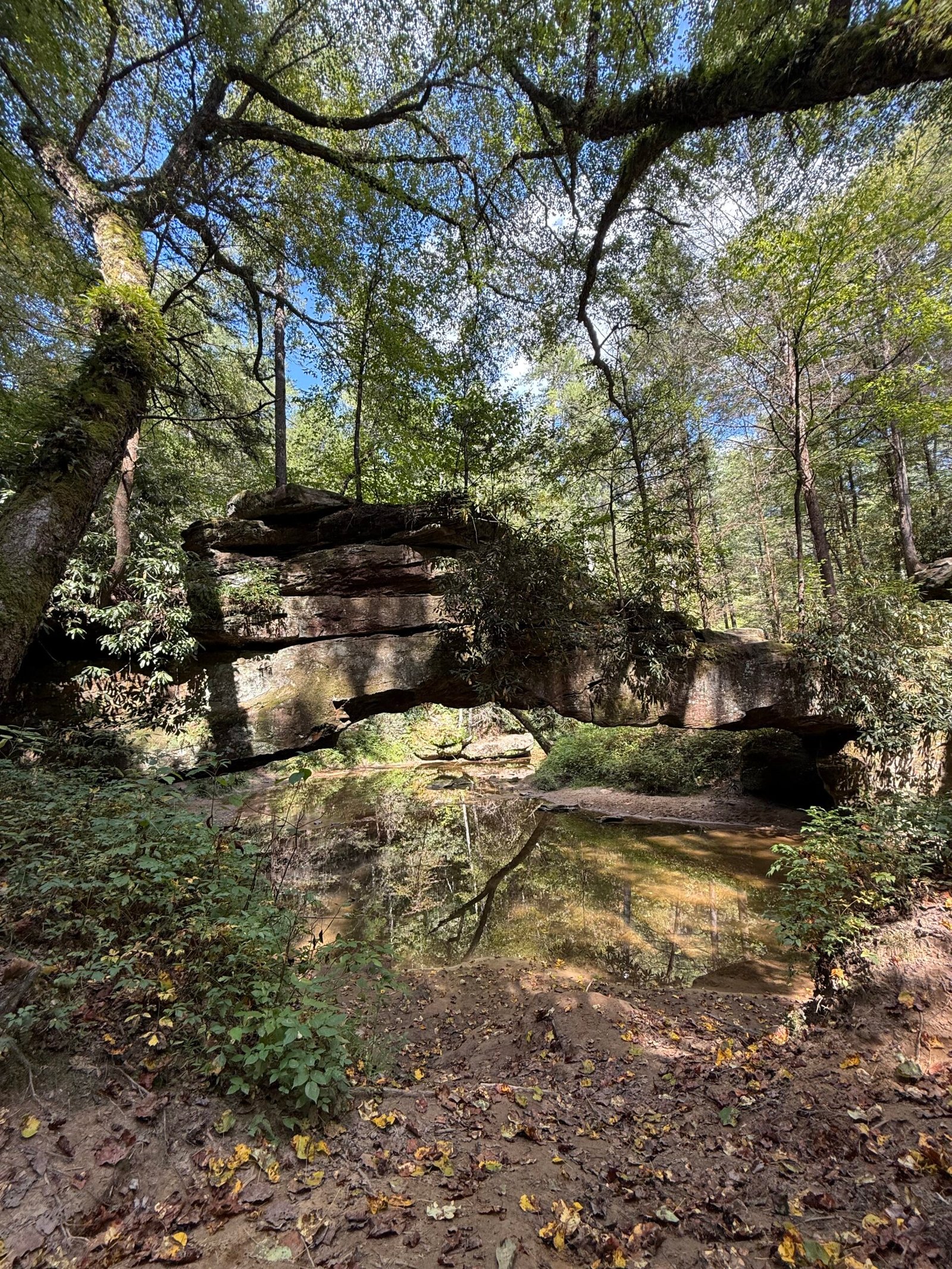
Gray’s Arch is a massive freestanding sandstone arch located in the Daniel Boone National Forest within the Red River Gorge Geological Area in eastern Kentucky. It is one of the largest and most dramatic arches in the region, rising roughly 50 feet tall with a span of around 80 feet. Standing beneath it and looking up feels genuinely cinematic, the kind of moment that makes you reach for your phone and then immediately put it back down because no photo does it justice.

Unlike Natural Bridge, which sits inside a state resort park and has a sky lift option, Gray’s Arch requires a real hike to reach. That is part of what makes it special. You earn it.

How Hard Is the Hike to Gray’s Arch?

The Gray’s Arch trail is rated moderate. The standard out-and-back route runs approximately 3.4 miles round trip, with a gradual forested start that opens into steeper terrain as you approach the arch. The final descent to the arch base involves some rocky scrambling that requires sure footing. It is not a beginner trail, but it is well within reach for reasonably fit hikers who come prepared.

Expect the round trip to take roughly two to three hours depending on pace and how long you linger at the arch (you will linger). The trail is marked but can get muddy after rain, so waterproof shoes or boots make a real difference.

Your Trail Options: Out-and-Back vs. the Rough Trail Loop

You have two main ways to approach Gray’s Arch.

The out-and-back (approximately 3.4 miles). This is the most straightforward option. Park at the Gray’s Arch Trailhead, follow the trail through open hardwood forest, and descend to the arch. Return the way you came. This is the right choice for most hikers, especially on a first visit or if you have younger legs in the group.

The Rough Trail Loop (approximately 4.7 miles). For hikers who want more mileage and variety, you can connect the Gray’s Arch trail to the Rough Trail for a longer loop back to the trailhead. The name is not ironic. The Rough Trail is steep, rocky in sections, and significantly more demanding than the main arch trail. It rewards experienced hikers with deeper forest solitude and elevated ridge views. Do not let the round mileage fool you into treating it casually.

If you are unsure which to choose, go out-and-back on your first visit. You can always come back for the loop.

When Is the Best Time to Hike Gray’s Arch?

Honestly, the Gorge is worth hiking year-round, but each season delivers a genuinely different experience at Gray’s Arch.

Fall (late September through early November) is the most visually spectacular window. The hardwood canopy turns amber, orange, and deep red, and the arch frames that color in a way that stops you mid-stride. This is peak season in the Gorge for good reason. If you are going in October, go early in the morning to beat the crowds on the trail.

Spring (late March through May) brings wildflowers to the forest floor and water to the seasonal streams along the trail. The light through new-growth leaves is soft and green and genuinely beautiful. Crowds are lighter than fall, and the temperatures are ideal for hiking.

Summer means full leaf cover and shade on the trail, which is a gift on hot days. Start early to avoid afternoon heat, and carry more water than you think you need. The arch itself sits in a cool, shaded hollow that feels like a reward after a warm hike in.

Winter is the secret season. Snow or frost on the arch and the surrounding sandstone is genuinely stunning, and the bare tree canopy opens up views that disappear in warmer months. Trail traffic drops dramatically. If you are comfortable hiking in cold conditions with proper footwear, a winter trip to Gray’s Arch is worth it.

What to Bring on the Gray’s Arch Hike

This is a moderate trail, not a casual stroll. A little preparation makes the difference between a great day and a miserable one.

  • Water. More than you think. At least 16 to 20 ounces per person per hour of hiking, more in summer.
  • Sturdy footwear. Trail runners or hiking boots with real grip. The descent to the arch is rocky and can be slick.
  • Layers. The hollow near the arch stays cool even on warm days. A light layer in your pack is never a bad idea.
  • Snacks. You are going to want to sit at the arch for a while. Bring something to eat while you do.
  • A fully charged phone. Cell signal in the Gorge is inconsistent. Download an offline map before you leave. AllTrails has the Gray’s Arch route and works without signal once downloaded.
  • Trekking poles. Optional, but genuinely helpful on the descent to the arch and on the Rough Trail loop.

Tips From People Who Actually Know This Trail

A few things that do not always make it into the standard trail guides.

Arrive at the trailhead early, especially in fall. The parking area fills up faster than you would expect on a Saturday morning in October. Getting there before 8am puts you on the trail with a quieter experience and better light at the arch.

The descent to the arch base is steeper than it looks on the map. Take your time, especially on the way down. The rocks can be loose, and the footing at the base requires real attention. It is worth it. Keep going.

Once you are at the arch, walk all the way beneath it. The view looking up from directly underneath, with the sky framed by that sandstone curve, is the shot. Most people stop at the first clear sightline. Walk further.

The arch is a shelter, not a climbing structure. The sandstone at Red River Gorge is beloved by climbers, but the arch itself is not a climbing route. Respect the geology that made it possible to stand there in the first place.

Pack out everything you pack in. The Gorge stays as beautiful as it is because people treat it that way. Keep the streak going.

Combining Gray’s Arch With a Full Day in the Gorge

Gray’s Arch makes a perfect anchor for a full day out. Pair it with a second shorter trail in the afternoon, grab a meal at one of the local spots, and you have a day worth remembering.

If you want a second trail that earns its keep without the mileage commitment, Whittleton Arch is a gentle 2.6-mile round trip with a creek alongside most of the route. Princess Arch is under two miles and delivers a genuinely surprising payoff for the distance. Both are quieter than Gray’s and make excellent afternoon companions after a morning at Gray’s.

For food, the Gorge area has more options than most people expect. Sky Bridge Station pairs Kentucky microbrews on tap with gourmet hot dogs and quesadillas and is a natural post-hike stop. Red Point BBQ is a local favorite worth seeking out. If you want something more casual, The Hungry Hiker lives up to its name. And if you are in the mood for a margarita after a long day on the trail, La Cabaña delivers authentic Mexican that hits differently when your legs are tired.

Where to Stay Near Gray’s Arch

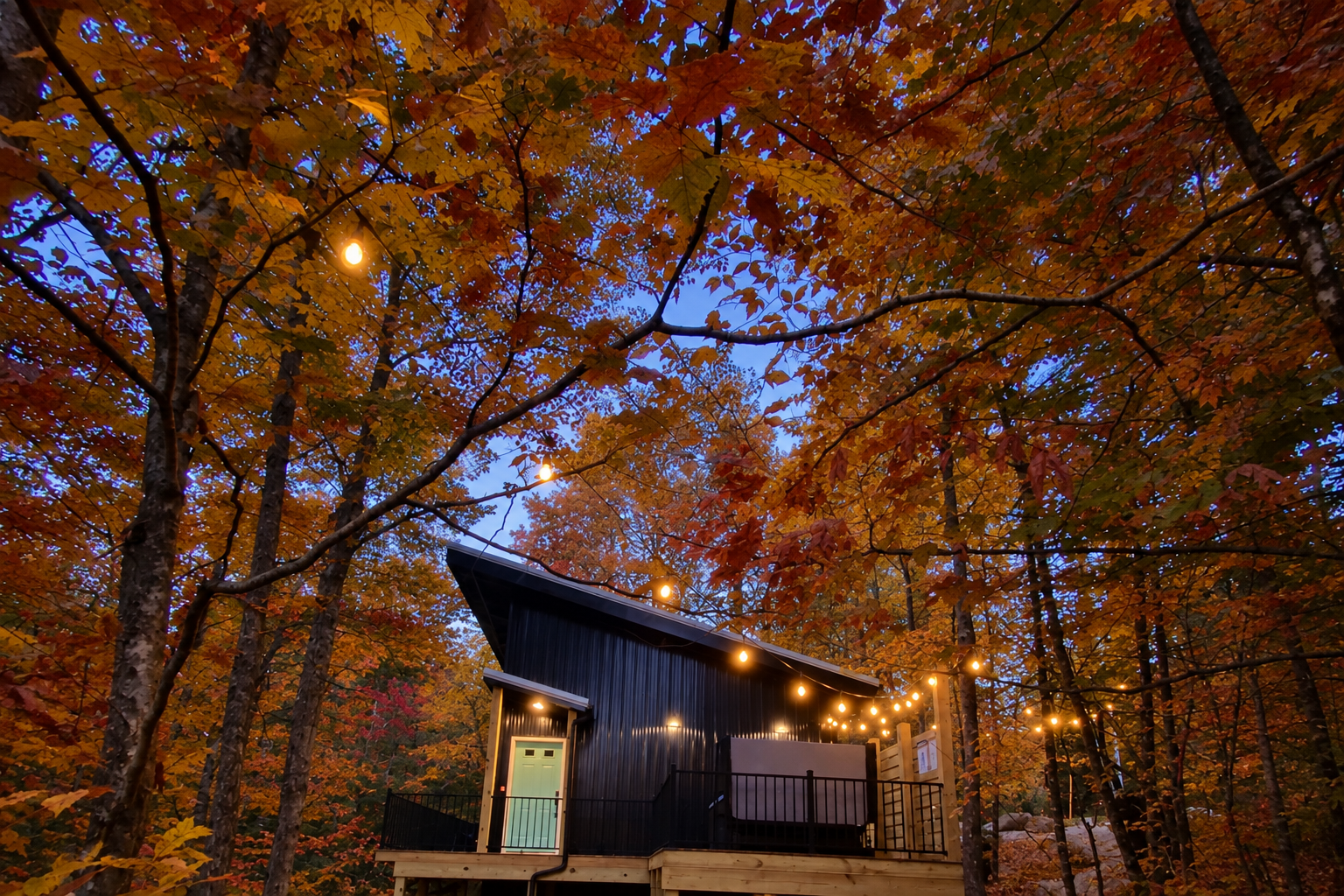
The trailhead for Gray’s Arch sits in the heart of the Red River Gorge Geological Area, roughly ten minutes from our two treetop cabins in Rogers, Kentucky. After a day on the trail, there is something genuinely restorative about soaking in a private hot tub above the forest canopy while the trees go dark around you. Each of our cabins, Canopy 7 and Canopy 9, has its own private hot tub, private fire pit, and private deck. You do not share any of that with other guests.

Booking directly through our site at vacationalchemist.com skips the service fees that third-party platforms add to every reservation, and it puts you in direct contact with us. We text hiking tips. We know which trails are muddy after rain and which parking areas fill up first. That is worth something.

Frequently Asked Questions About Gray’s Arch

How long is the Gray’s Arch hike?

The standard out-and-back route is approximately 3.4 miles round trip. A longer loop using the Rough Trail extends the hike to roughly 4.7 miles. Plan for two to three hours for the out-and-back at a relaxed pace.

Is Gray’s Arch hike good for beginners?

It is rated moderate and is accessible to hikers with a reasonable fitness level, but it is not a beginner trail. The final descent to the arch base is rocky and requires sure footing. First-timers should wear proper hiking footwear, bring plenty of water, and allow more time than they think they need. The Rough Trail loop is not recommended for beginners.

When is the best time of year to hike Gray’s Arch?

Fall (late September through early November) is the most popular window for the foliage color, but spring wildflowers, summer shade, and winter solitude each offer a genuinely different and worthwhile experience. Fall weekend mornings fill up quickly, so plan to arrive early at the trailhead.

Is there a fee to hike Gray’s Arch?

Gray’s Arch is located within the Daniel Boone National Forest. Some trailheads in the Gorge area charge a day-use fee. Check with the USDA Forest Service or the Red River Gorge Climbers Coalition for current parking and access fee information before you go, as fees and rules can change.

What is the difference between Gray’s Arch and Natural Bridge?

Both are sandstone arches in the Red River Gorge area, but they are distinct in character. Natural Bridge sits within Natural Bridge State Resort Park, has a staffed visitor center, and offers a seasonal sky lift to the top alongside the hiking trail. Gray’s Arch is in the backcountry of the Daniel Boone National Forest, requires a real hike to reach, and has a wilder, more remote feel. Many visitors do both on the same trip.
Natural Bridge State Park: Your Complete Guide

Natural Bridge State Park: Your Complete Guide

What Is Natural Bridge State Park?

Natural Bridge State Resort Park is one of Kentucky’s most visited natural landmarks, and for good reason. At the center of it all is a massive sandstone arch stretching roughly 78 feet wide and rising about 65 feet high. It did not take an engineer to build it. Time, water, and geology did all the work over millions of years, and the result is one of the most dramatic geological features in the eastern United States.

The park sits inside the Red River Gorge region of the Daniel Boone National Forest in eastern Kentucky, roughly an hour to an hour and fifteen minutes southeast of Lexington. If you are already planning a trip to the Gorge, Natural Bridge is essentially on your list whether you wrote it down or not. It is that central to what this place is about.

This guide covers what to expect when you arrive, how to get to the top, which trails suit which hikers, what else is in the park, and how to fold it into a longer stay in the Gorge. Consider it the briefing you wish someone had given you before you left home.

How Do You Get to the Top of Natural Bridge?

There are two ways up: you hike, or you ride the Sky Lift. Both end at the arch. Neither is wrong.

The Sky Lift is a chairlift-style ride that takes roughly 11 minutes to carry you from the valley floor up to near the top. It runs seasonally, typically from approximately April through November, though exact dates shift year to year, so check with the park before you build your whole day around it. For families with young children, visitors with mobility considerations, or anyone who just wants to get to the payoff without the climb, it is a genuinely good option. The view from the lift itself is worth the ticket.

The Original Trail is the hike most people take. It is short and steady, gaining elevation in a direct, honest climb through the forest to the arch. It is well-maintained and well-marked. The effort is real but not punishing for a reasonably fit person. Give yourself 30 to 45 minutes up, longer if you stop to breathe in the views (and you will).

Once you are at the arch, you can walk across it. That moment of standing on top of a 65-foot sandstone span above a canopy of trees, looking out over a hollow filled with fall color or spring green depending on when you visit, is the reason people drive two hours from Louisville on a Sunday.

What Are the Best Trails at Natural Bridge State Park?

The park has multiple trails beyond the Original Trail, and a few of them deserve a longer look.

Original Trail

Short, steady, direct. The most trafficked route to the arch and the obvious starting point for first-time visitors. Rewarding for the effort level required.

Rock Bridge Loop

This one is separate from the main Natural Bridge arch and frequently gets skipped, which is exactly why you should not skip it. The Rock Bridge Loop runs approximately 1.5 miles and passes two genuinely beautiful features: Creation Falls, a waterfall tucked into a rock shelter, and Rock Bridge itself, the only arch in the Red River Gorge with a stream running beneath it. The combination of falling water, layered sandstone, and forest canopy makes this loop one of the most rewarding easy hikes in the entire Gorge. Start from the Rock Bridge Scenic Picnic Area.

Whittleton Arch Trail

Approximately 2.6 miles round trip, mostly along a gentle creek corridor, and significantly quieter than the marquee trails. It ends at Whittleton Arch, a graceful span that feels like a secret even on a busy fall weekend. This is the trail to recommend when someone says they want a real hike but also does not want to fight a crowd.

Trails to Attempt Another Day

Natural Bridge State Park connects to a broader network of trails inside the Gorge, including routes toward Gray’s Arch and the Rough Trail. Those are rewarding but demand more experience and significantly more time. If this is your first visit, stick to the park’s dedicated trails and save the bigger loop systems for when you have a full day and solid footwear.

When Should You Visit Natural Bridge State Park?

Honestly? Any season has a case to make.

Fall is the obvious answer, and the Gorge earns the hype. The sandstone walls, the hardwood canopy, and the elevation changes combine to produce some of the best autumn color in the entire region. Peak color in this part of eastern Kentucky typically runs from mid-October into early November, depending on the year. If you are reading this in September or early October, start thinking seriously about your dates now. Fall weekends in the Gorge fill up early, and for good reason.

Spring brings wildflowers into the hollows and waterfalls that run harder off winter snowmelt. The crowds are smaller than fall and the air is cool. Hikers who care about solitude often prefer spring.

Summer is peak season for a reason. The canopy is full and green, the Red River is warm enough to wade, and the evenings cool down enough to make a fire worthwhile. The Sky Lift is running and the park buzzes with families.

Winter is underrated. The arch stands out dramatically against bare trees. The trails are rarely icy but dress for it. The park feels like yours alone.

What Else Is in the Area?

Natural Bridge is a great anchor for a day, but it is only one piece of what makes a trip to this corner of Kentucky memorable.

Within a short drive, you will find the Rock Bridge Scenic Picnic Area for that loop trail mentioned above, the climbing walls at Muir Valley (a nature preserve managed by the nonprofit Friends of Muir Valley, free to climb with a $15 daily parking fee per vehicle), and the surprisingly extraordinary Gorge Underground, where you can kayak or paddleboard through a flooded abandoned limestone mine in Slade. That last one sounds like it should not exist and yet it absolutely does.

For food after a long day on the trail, the Gorge has more options than most visitors expect. Sky Bridge Station in Slade serves gourmet hot dogs and quesadillas alongside roughly a dozen Kentucky microbrews on tap. Thatcher Barbecue Company, also in Slade, does downhome barbecue that hits exactly right after a few miles of elevation. If you want a sit-down dinner with live music on weekends, 145 Roadhouse in Campton offers bourbon burgers, catfish, and smoked meats. The area has a deep list of places to eat. Ask the locals which one fits your evening.

The Mushroom Grove Shopping Village is worth an hour of browsing if you have it, an elevated boardwalk with around 14 shops including outdoor outfitters, handmade gifts, and a gem-mining attraction for kids.

Practical Things to Know Before You Go

A few honest notes so the day goes smoothly.

Parking fills up fast on fall weekends. Arrive early. Mid-morning arrival in peak foliage season means competing for a spot. An early start is always the move.

Cell service is limited in parts of the Gorge. Download your trail maps before you leave your accommodation. The AllTrails app works offline if you cache the map first.

The Sky Lift is seasonal. It typically runs April through November, but confirm current operation with the park before you arrive. Do not drive two hours counting on the lift and find it closed for the season.

Wear real shoes. The Original Trail is not a sandals trail on a wet day. Trail runners or hiking boots with grip. The sandstone gets slick.

Bring water. There are no water stations on the trail. Pack more than you think you need, especially in summer.

Leave no trace. The Gorge is a shared resource. Pack out what you pack in. Stay on the marked trails. The sandstone formations are fragile and erosion is real.

How to Make a Full Trip of It

Natural Bridge on its own is a half-day. The Red River Gorge as a whole is a weekend minimum, and most people who come once start planning the second trip before they have left.

Staying in the trees close to the trailheads changes the experience entirely. Instead of a day trip where you drive two hours, rush the trail, eat lunch in the car, and drive two hours home, you slow down. You have coffee on a private deck while the fog sits in the hollow below you. You do the arch in the morning before the crowds, then come back to the hot tub in the afternoon. You stay for the sunset and you are already home.

If that version of the trip sounds closer to what you actually want, take a look at our two treetop cabins in Rogers, Kentucky, about ten minutes from the main Gorge trailheads. Canopy 7 and Canopy 9 sit in the forest canopy with private hot tubs, private fire pits, and the kind of quiet that is genuinely hard to find anymore. Fall weekends in the Gorge book well ahead. If October is on your mind, sooner is better.

Frequently Asked Questions

Is Natural Bridge State Park free to visit?

Hiking the trails to Natural Bridge is free. The Sky Lift chairlift has a separate ticket cost. Check with the park directly for current lift pricing, as fees can change seasonally.

How long does it take to hike to Natural Bridge?

The Original Trail is a short, steady climb. Most hikers reach the arch in 30 to 45 minutes. Budget extra time if you plan to cross the arch and take in the views, which you should.

Can I take the Sky Lift to Natural Bridge?

Yes. The Sky Lift runs approximately April through November and takes about 11 minutes to carry you to the top. Confirm current operation with the park before your visit, as it is seasonal and may have weather-related closures.

Is Natural Bridge State Park good for kids?

Yes, it is one of the more family-friendly destinations in the Gorge. The Original Trail is manageable for older children with reasonable stamina. The Sky Lift is a great option for younger kids or those who prefer a ride to the top. The Rock Bridge Loop is also excellent for families.

What is the best time of year to visit Natural Bridge?

Fall, specifically mid-October into early November, offers peak foliage and is the most visually dramatic time to visit. Spring brings wildflowers and lighter crowds. Summer is busy but vibrant. Winter is quiet, uncrowded, and underrated for those who love solitude.

What should I bring for a day at Natural Bridge?

Water (more than you think), trail-appropriate shoes with grip, a downloaded offline trail map, layers for changing temperatures, and a camera. Leave the sandals in the car on any day with recent rain.